Easy and fast
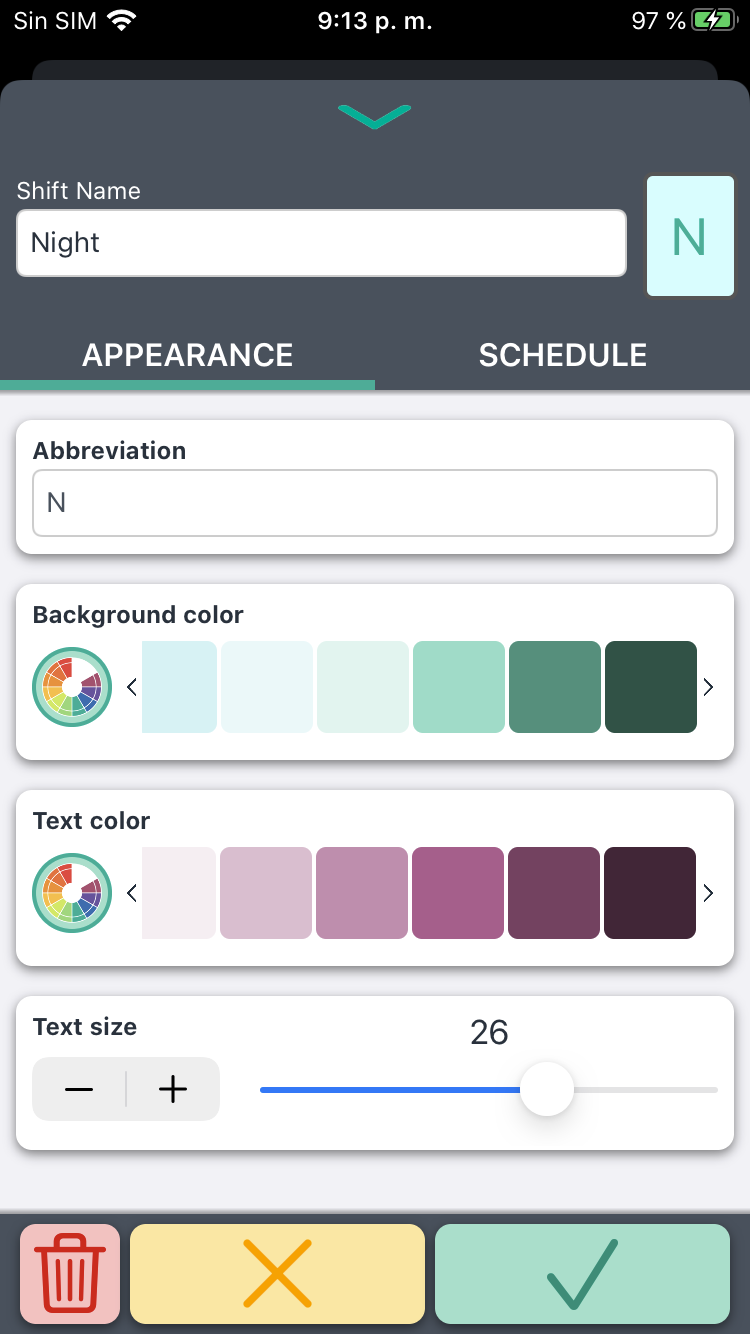
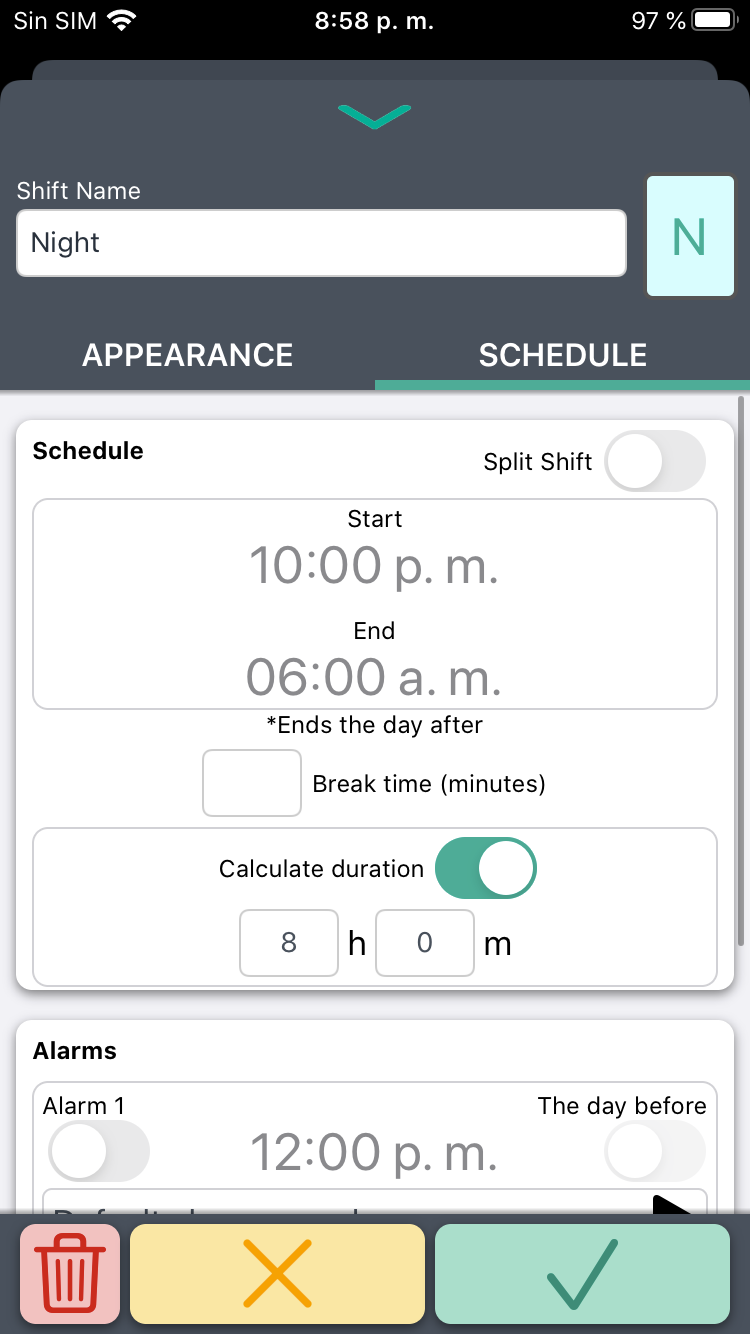
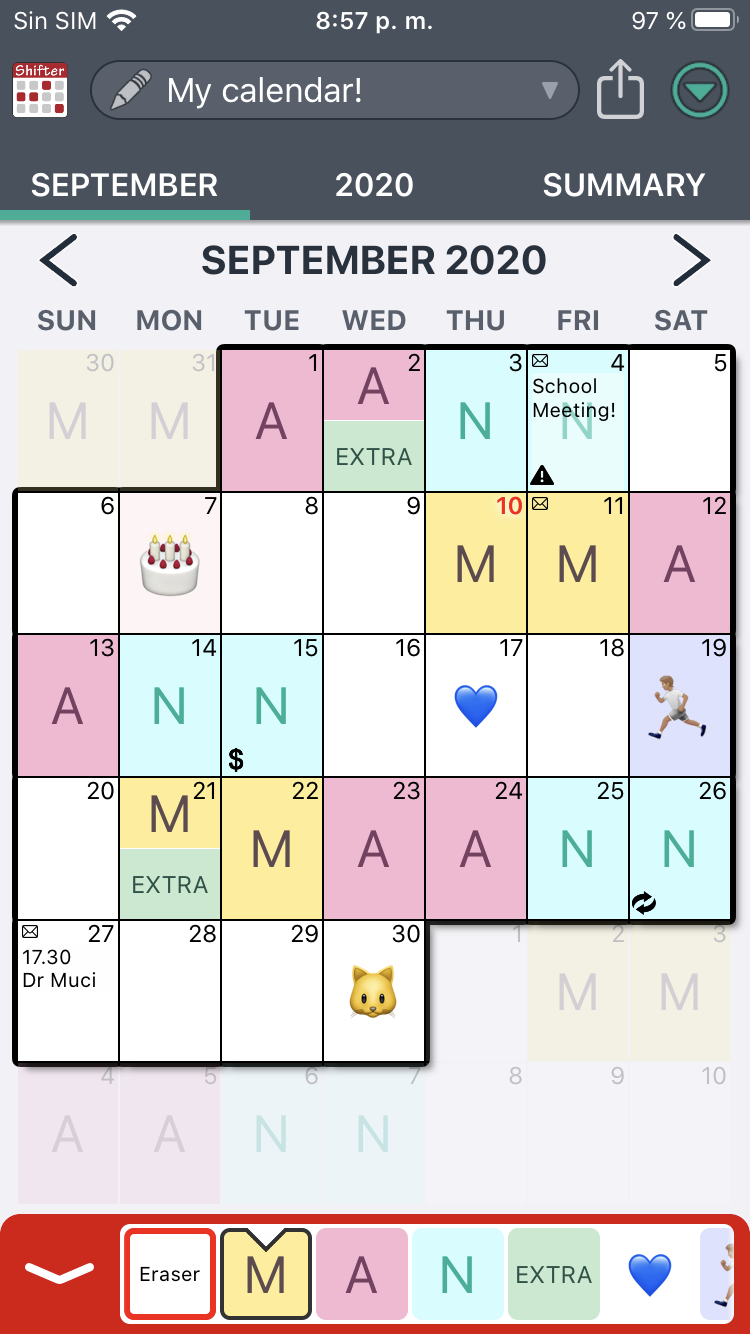
Create and configure all the shifts you need. Use PAINT or EDIT modes to create your patterns.

This app is designed for shift workers and people who need to organize their day to day basis and thus not to miss any appointments.
Create and configure all the shifts you need. Use PAINT or EDIT modes to create your patterns.
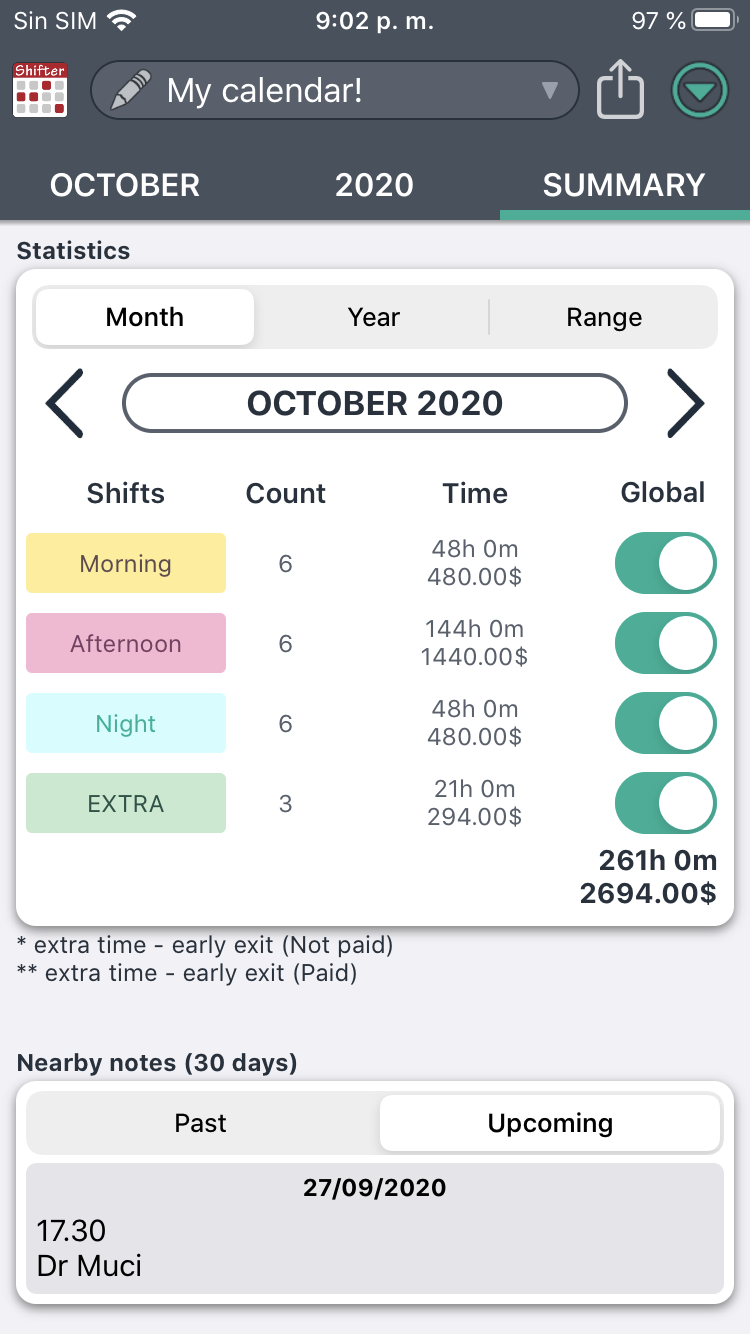
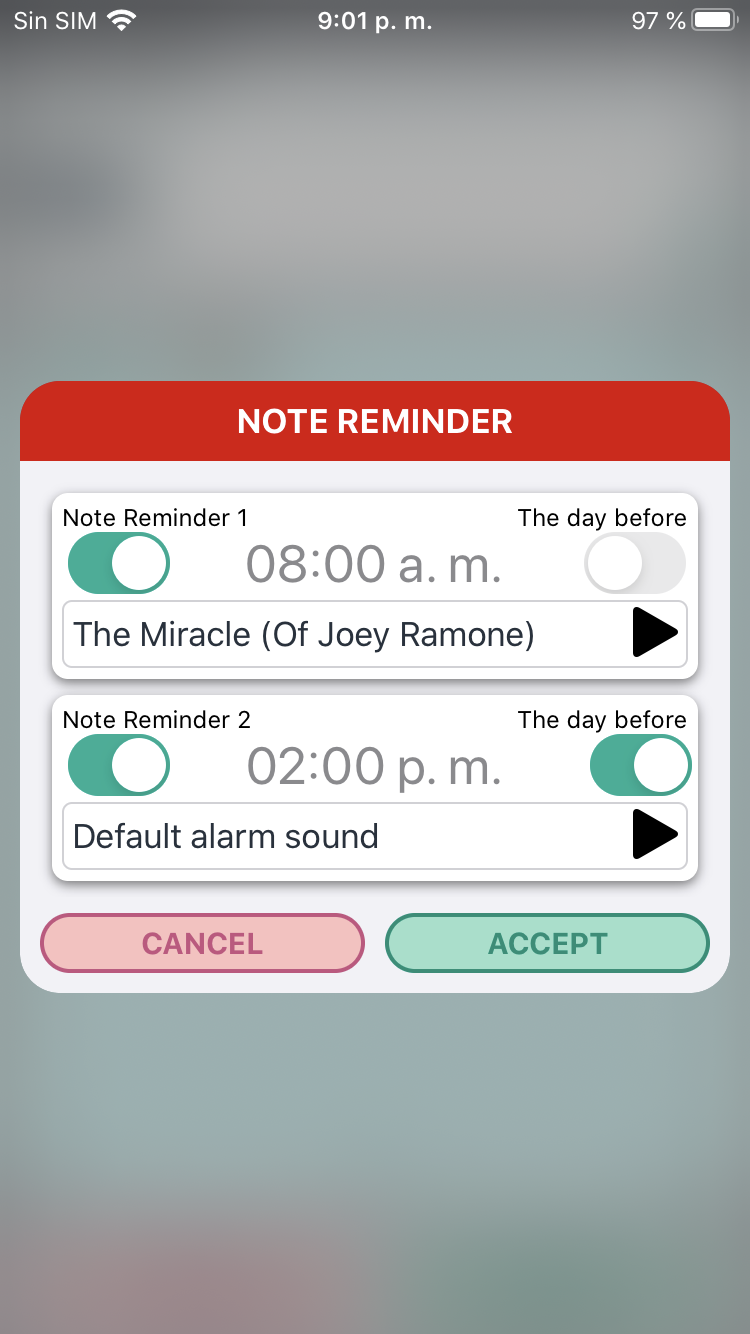
Never miss an appointment again. Take full control of your shifts and your worked hours.
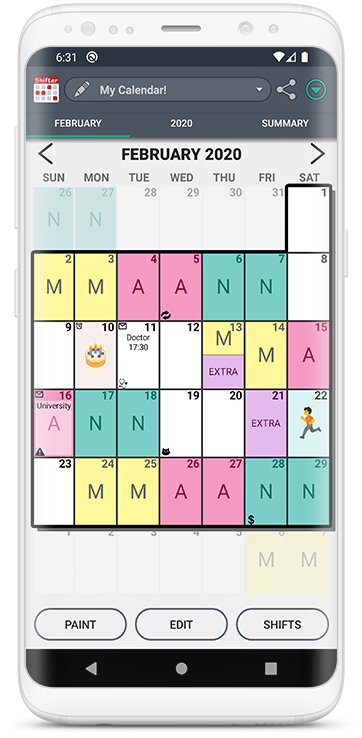
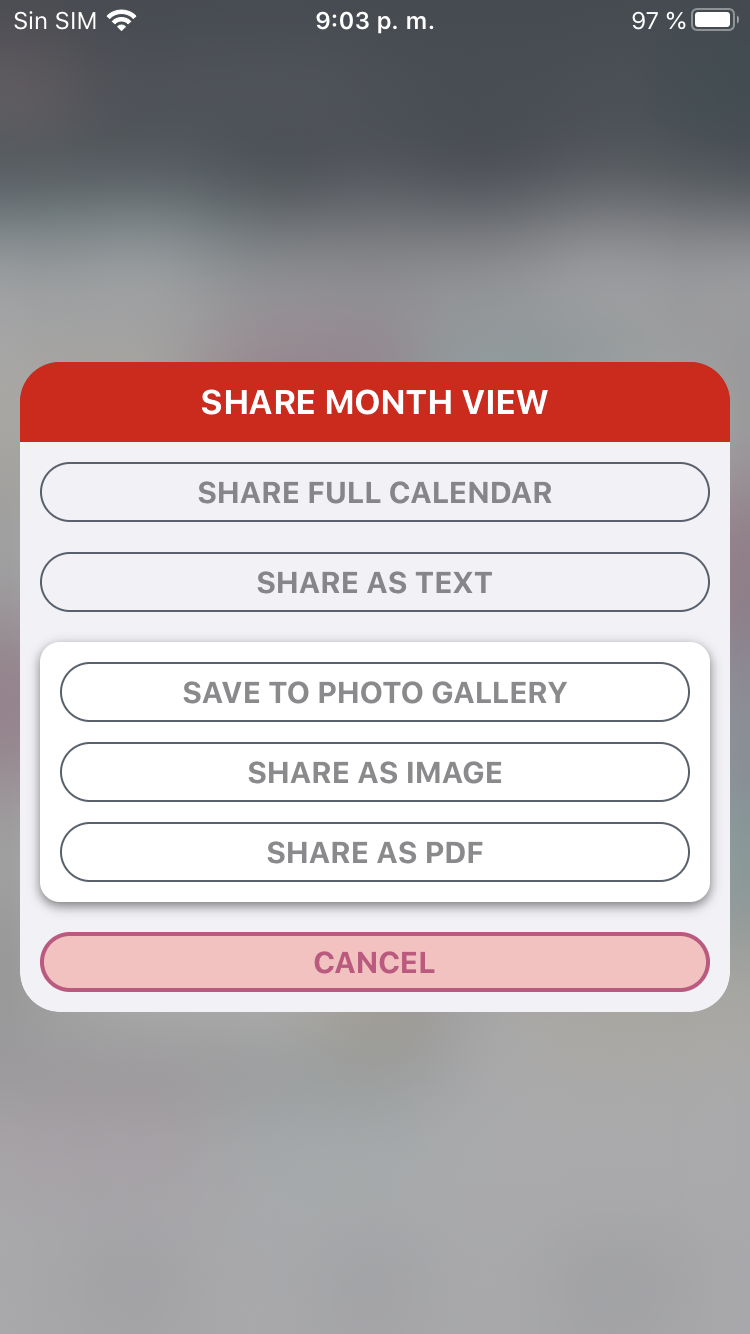
Share your calendars as an image, PDF or even the full editable calendar.
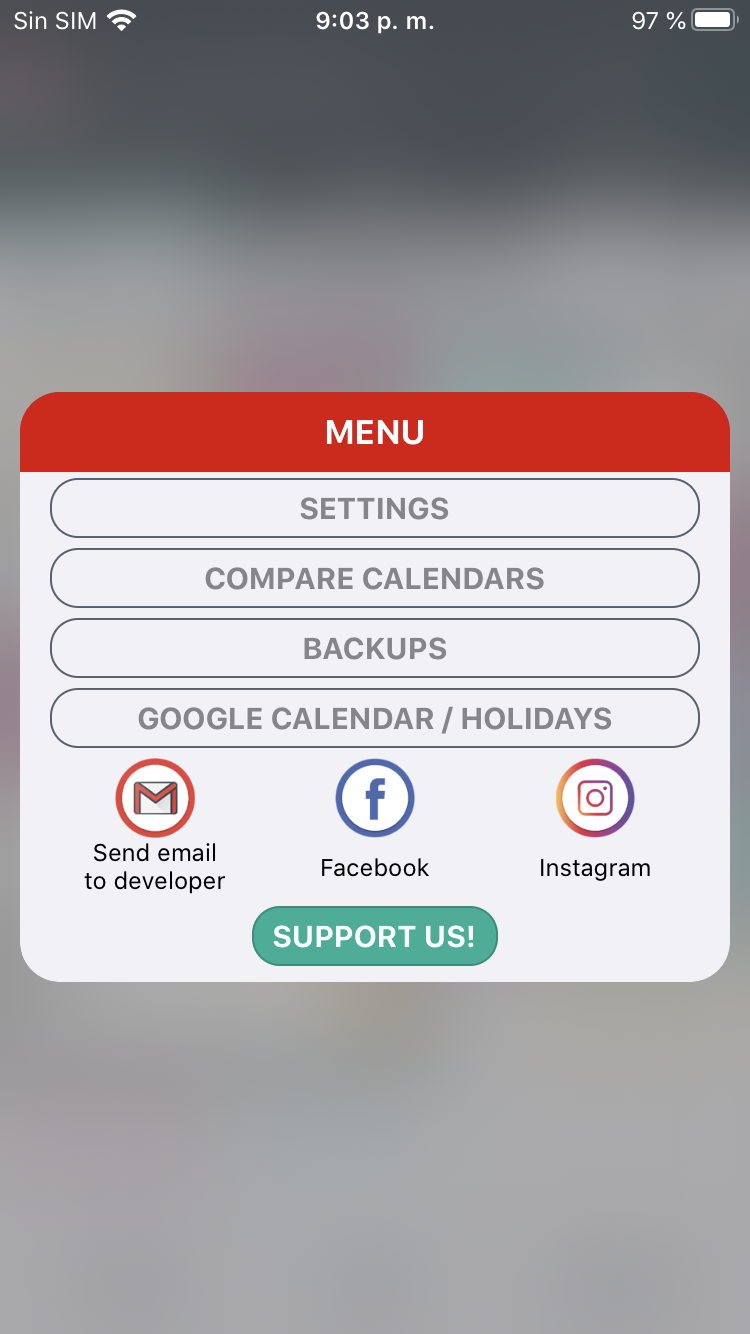
Widgets, notes, icons, national holidays, backups, images and much more!

Fandoms have also gained unprecedented power. Online communities can influence network decisions, revive canceled television shows, or alter creative directions through coordinated social media campaigns. Future Trends in Popular Media
The contemporary landscape of popular media rests on several interconnected verticals, each transforming how stories are told and monetized. 1. Streaming Video on Demand (SVOD)
This fragmentation has created a renaissance of creativity. Independent creators no longer need studio budgets. With a smartphone and a compelling voice, a teenager in Ohio can produce that reaches Jakarta, Berlin, and Buenos Aires overnight.
For much of the 20th century, popular media was a one-to-many broadcast model. Three television networks, a handful of major film studios (Hollywood’s "Big Five"), and dominant record labels (e.g., Sony, Warner, Universal) acted as gatekeepers. They decided what the public saw, heard, and talked about. Content was scarce, appointment-based (e.g., I Love Lucy on Monday at 9 PM), and geographically siloed.
Platforms like Patreon, Substack, and Twitch have enabled a "middle-class" of creators—those with 10,000 to 100,000 dedicated fans—to earn a living. This disintermediation allows creators to bypass traditional publishers, but also places the burden of marketing, accounting, and legal compliance squarely on the individual.
Artificial Intelligence is revolutionizing content, enabling faster production while raising important questions regarding intellectual property rights. 3. Small-Screen and Social-First Storytelling
Welcome to the great entertainment reset of 2026. If you’ve felt like your streaming bills are starting to look like your old cable packages, or that your favorite TikTok star is suddenly more famous than a Hollywood A-lister, you’re not alone. The way we consume media is shifting from "endless choice" to "meaningful experience."
Welcome to 2026, where the line between "watching" and "living" is thinner than ever. The days of passively scrolling through a catalog are fading, replaced by an era of , creator-led storytelling , and immersive fandoms .
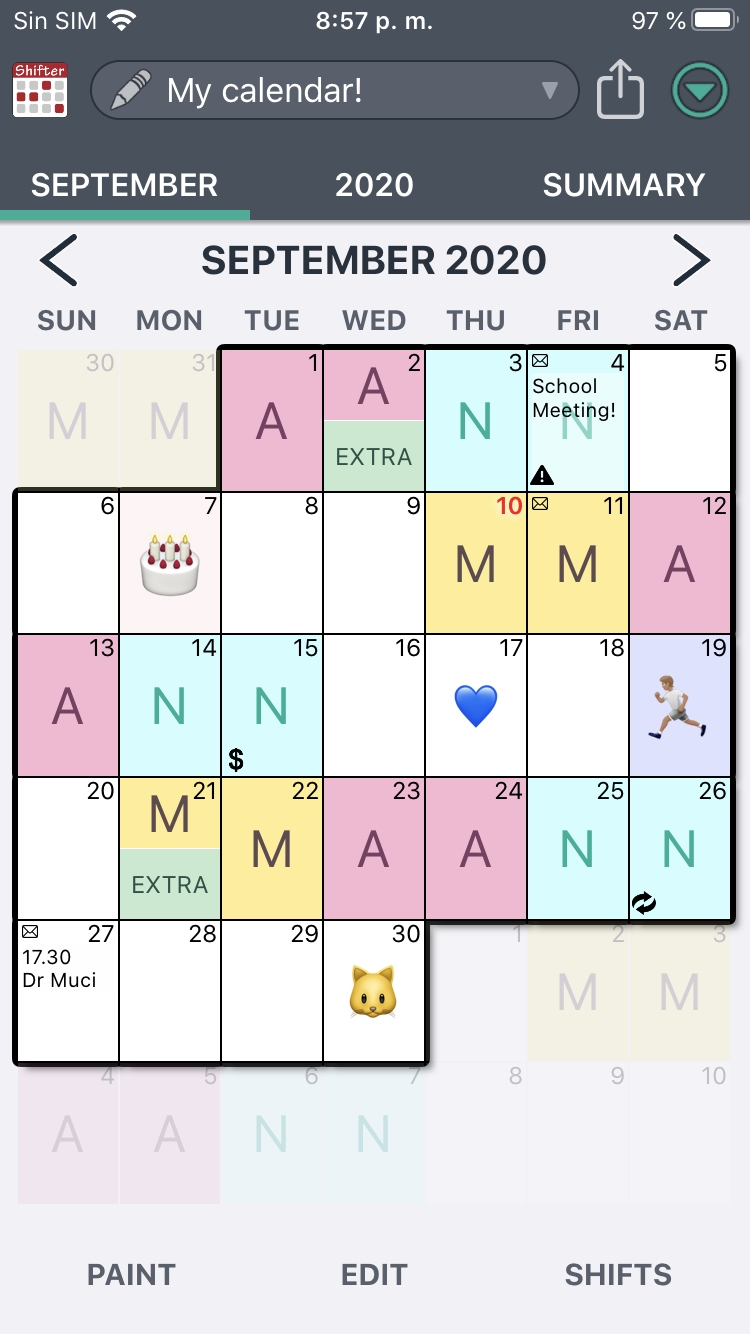



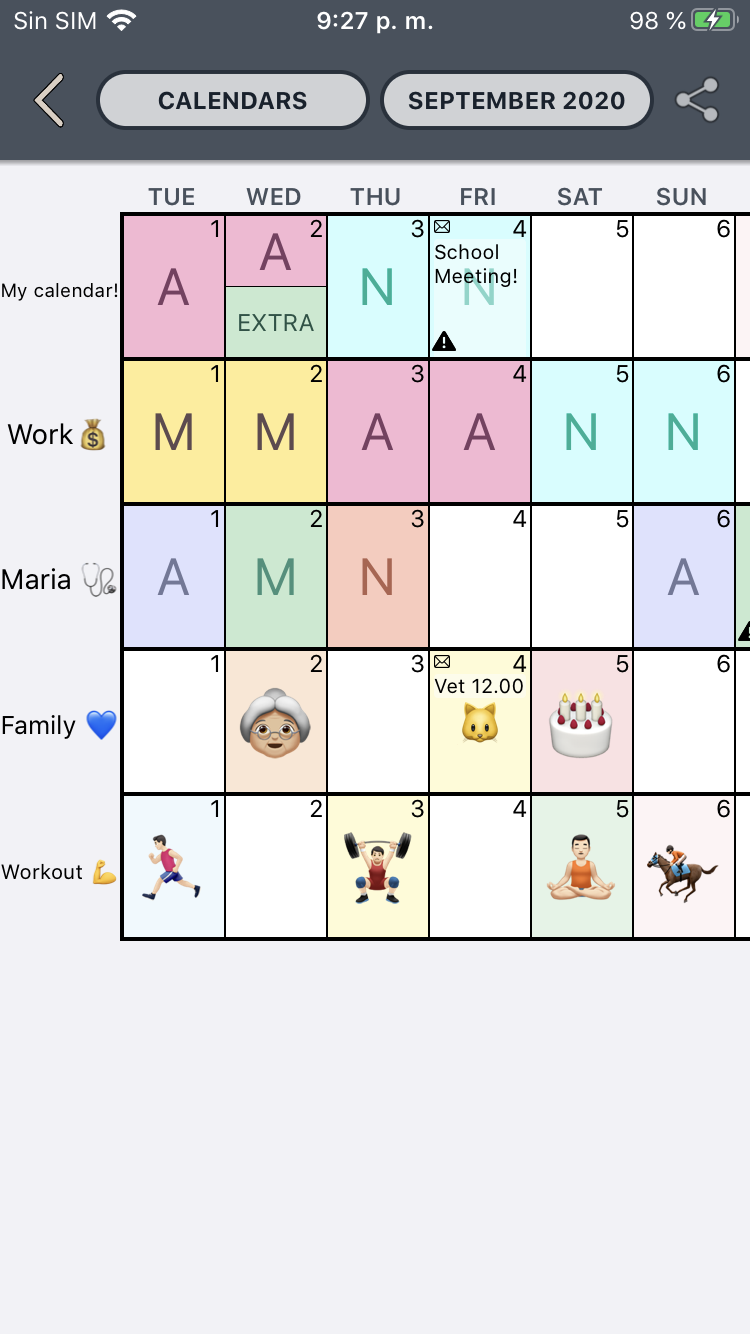



This is a great app if you like to be organized and schedule your days! I use this for work, social life, and appointments!
It’is perfect for my needs, you can create different shift types, repeat roster patterns and share with others. I would really recommend.
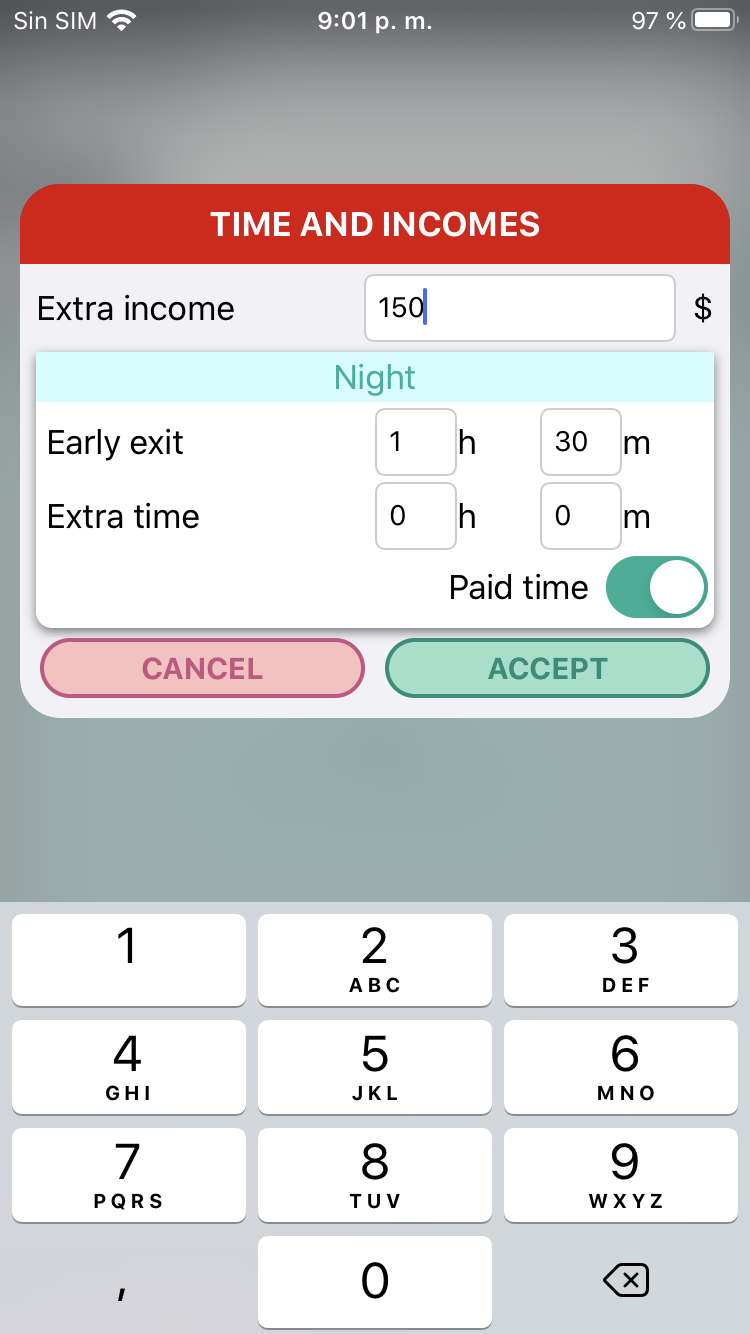
I'm a shift worker and it's incredible how a simple app can help me so much. In 2 minutes, I can create my work pattern for the whole year and see it with the Year View. Thanks to the Statistics section I have all my work controlled and also incomes (I can add regular or extra incomes, early exit and extra time).
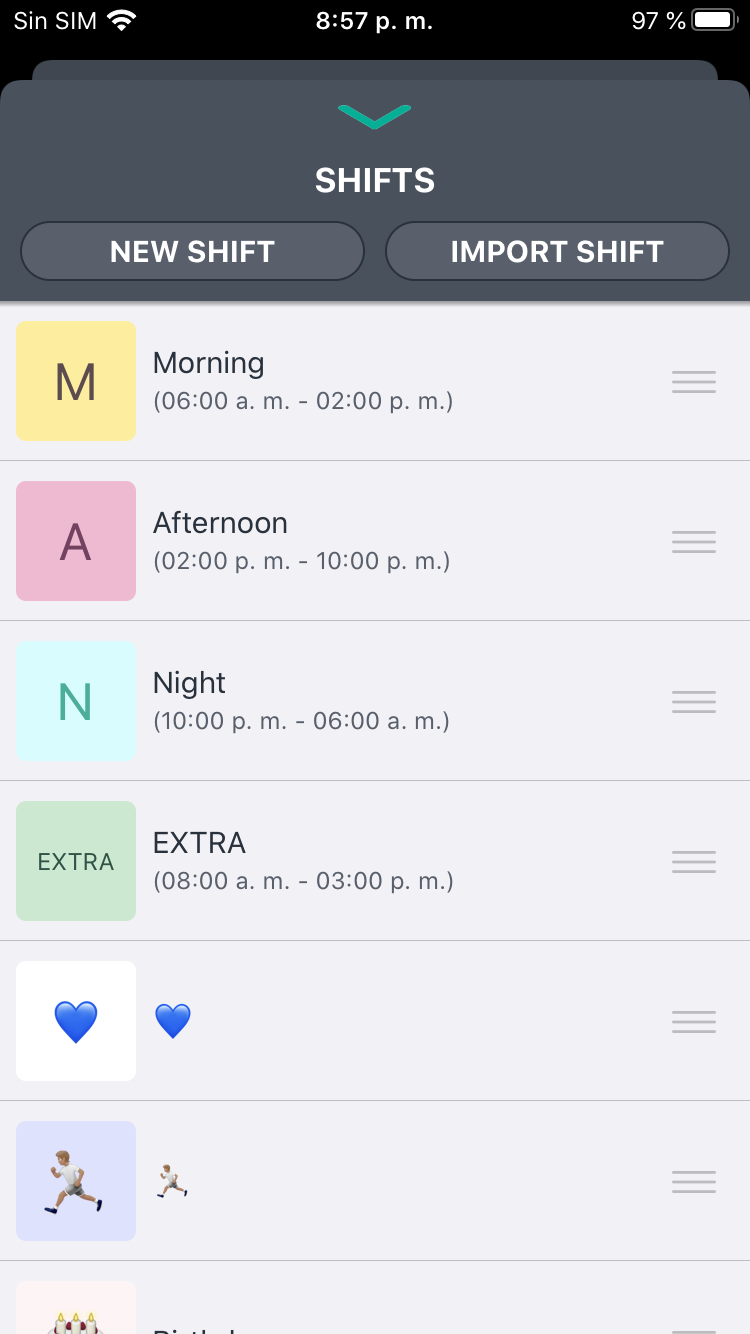
It’s incredible how customizable it is! I can personalize shifts with a lot of colours and configurate them: set up incomes, add alarms and actions (WiFi, mobile sound and Bluetooth). Love the icons and the customizable notes.
Easy to use. I wish I had discovered it long ago. It’s absolutely perfect as it allows me to create multiple calendars that suits my needs.
Very convenient app! Especially for people with weird schedules, love the flexibility when I set up my roster. This app keeps me in order. I love the copy and paste feature!
Fandoms have also gained unprecedented power. Online communities can influence network decisions, revive canceled television shows, or alter creative directions through coordinated social media campaigns. Future Trends in Popular Media
The contemporary landscape of popular media rests on several interconnected verticals, each transforming how stories are told and monetized. 1. Streaming Video on Demand (SVOD)
This fragmentation has created a renaissance of creativity. Independent creators no longer need studio budgets. With a smartphone and a compelling voice, a teenager in Ohio can produce that reaches Jakarta, Berlin, and Buenos Aires overnight. FacialAbuse.E840.Destroyed.Sperg.XXX.1080p.HEVC...
For much of the 20th century, popular media was a one-to-many broadcast model. Three television networks, a handful of major film studios (Hollywood’s "Big Five"), and dominant record labels (e.g., Sony, Warner, Universal) acted as gatekeepers. They decided what the public saw, heard, and talked about. Content was scarce, appointment-based (e.g., I Love Lucy on Monday at 9 PM), and geographically siloed.
Platforms like Patreon, Substack, and Twitch have enabled a "middle-class" of creators—those with 10,000 to 100,000 dedicated fans—to earn a living. This disintermediation allows creators to bypass traditional publishers, but also places the burden of marketing, accounting, and legal compliance squarely on the individual. Fandoms have also gained unprecedented power
Artificial Intelligence is revolutionizing content, enabling faster production while raising important questions regarding intellectual property rights. 3. Small-Screen and Social-First Storytelling
Welcome to the great entertainment reset of 2026. If you’ve felt like your streaming bills are starting to look like your old cable packages, or that your favorite TikTok star is suddenly more famous than a Hollywood A-lister, you’re not alone. The way we consume media is shifting from "endless choice" to "meaningful experience." With a smartphone and a compelling voice, a
Welcome to 2026, where the line between "watching" and "living" is thinner than ever. The days of passively scrolling through a catalog are fading, replaced by an era of , creator-led storytelling , and immersive fandoms .