Images of older gay couples holding hands, laughing on porches, or embracing tenderly serve a vital purpose. They offer proof of survival, resilience, and enduring love. For younger generations, these photographs provide a hopeful glimpse into the future, proving that a long, happy queer life is possible. For peers, they offer validation and a sense of community. These visual anchors remind us that wrinkles and gray hair do not diminish a person’s capacity for romance, desire, and intimacy. The Dynamics of Senior Gay Relationships
Young queer individuals look at these images and realize they have a long, fulfilling future ahead.
This public link is valid for 7 days and shares a thread, including any personal information you added. This link or copies made by others cannot be deleted. If you share with third parties, their policies apply. Can’t copy the link right now. Try again later.
If you’re interested in writing a respectful article about older LGBTQ+ individuals, their relationships, and romantic storylines in media or real life, I’d be glad to help with that. Please clarify your intent, and I’ll provide a thoughtful, appropriate response.
Perhaps the most significant mainstream example is the relationship between Sol (Sam Waterston) and Robert (Martin Sheen). Coming out in their 70s after decades of marriage to women, their storyline tracks the awkwardness of a first kiss at 70, the legal battles of gay marriage, and the mundane joy of picking out new sheets together. Their romance proves that conflict in a grandpa gay relationship is not about club-hopping, but about family acceptance and learning to be vulnerable again.
Secondly, representation matters because it provides a sense of validation and recognition for older gay men who have often been marginalized or erased from mainstream culture. Seeing themselves reflected in media and online platforms can be a powerful experience, helping to combat feelings of loneliness and isolation. Images of older gay couples holding hands, laughing
Many men in the "grandpa" generation (typically those over 65) came of age when homosexuality was a psychiatric illness or a criminal act. A significant number lost their entire social circles to HIV/AIDS in the 1980s and 90s. Consequently, a long-term relationship for a gay grandpa is often built on the foundation of survivor’s guilt.
The landscape of modern romance is undergoing a beautiful and profound shift, particularly within the LGBTQ+ community. For decades, the media primarily focused on the coming-out stories of young people. Today, a powerful and heartwarming narrative is emerging: the celebration of senior gay romance. From viral photographs to deeply moving romantic storylines in fiction and real life, the world is finally recognizing that love, passion, and companionship have no expiration date.
The exploration of "grandpa gay" relationships and romantic storylines is a necessary shift toward a more inclusive understanding of the LGBTQ+ experience. It tells us that love does not have an expiration date and that queer joy is a lifelong journey. These narratives and images are vital, offering hope, validation, and a beautiful representation of what it means to grow old together.
Visual media plays a crucial role in normalizing and celebrating older gay relationships. For a long time, LGBTQ+ media focused almost exclusively on youth culture. The emergence of photography, digital art, and film highlighting senior gay men—often searched for through terms like "grandpa gay pics"—serves a vital purpose.
Images of older gay couples holding hands, laughing on porches, or embracing tenderly serve a vital purpose. They offer proof of survival, resilience, and enduring love. For younger generations, these photographs provide a hopeful glimpse into the future, proving that a long, happy queer life is possible. For peers, they offer validation and a sense of community. These visual anchors remind us that wrinkles and gray hair do not diminish a person’s capacity for romance, desire, and intimacy. The Dynamics of Senior Gay Relationships
Young queer individuals look at these images and realize they have a long, fulfilling future ahead.
This public link is valid for 7 days and shares a thread, including any personal information you added. This link or copies made by others cannot be deleted. If you share with third parties, their policies apply. Can’t copy the link right now. Try again later.
Showing and crafting narratives about them serves several critical purposes:
If you’re interested in writing a respectful article about older LGBTQ+ individuals, their relationships, and romantic storylines in media or real life, I’d be glad to help with that. Please clarify your intent, and I’ll provide a thoughtful, appropriate response.
Perhaps the most significant mainstream example is the relationship between Sol (Sam Waterston) and Robert (Martin Sheen). Coming out in their 70s after decades of marriage to women, their storyline tracks the awkwardness of a first kiss at 70, the legal battles of gay marriage, and the mundane joy of picking out new sheets together. Their romance proves that conflict in a grandpa gay relationship is not about club-hopping, but about family acceptance and learning to be vulnerable again.
Secondly, representation matters because it provides a sense of validation and recognition for older gay men who have often been marginalized or erased from mainstream culture. Seeing themselves reflected in media and online platforms can be a powerful experience, helping to combat feelings of loneliness and isolation.
Many men in the "grandpa" generation (typically those over 65) came of age when homosexuality was a psychiatric illness or a criminal act. A significant number lost their entire social circles to HIV/AIDS in the 1980s and 90s. Consequently, a long-term relationship for a gay grandpa is often built on the foundation of survivor’s guilt.
The landscape of modern romance is undergoing a beautiful and profound shift, particularly within the LGBTQ+ community. For decades, the media primarily focused on the coming-out stories of young people. Today, a powerful and heartwarming narrative is emerging: the celebration of senior gay romance. From viral photographs to deeply moving romantic storylines in fiction and real life, the world is finally recognizing that love, passion, and companionship have no expiration date.
They tell LGBTQ+ elders that their lives and loves are worthy of being told.
The exploration of "grandpa gay" relationships and romantic storylines is a necessary shift toward a more inclusive understanding of the LGBTQ+ experience. It tells us that love does not have an expiration date and that queer joy is a lifelong journey. These narratives and images are vital, offering hope, validation, and a beautiful representation of what it means to grow old together.
Visual media plays a crucial role in normalizing and celebrating older gay relationships. For a long time, LGBTQ+ media focused almost exclusively on youth culture. The emergence of photography, digital art, and film highlighting senior gay men—often searched for through terms like "grandpa gay pics"—serves a vital purpose.
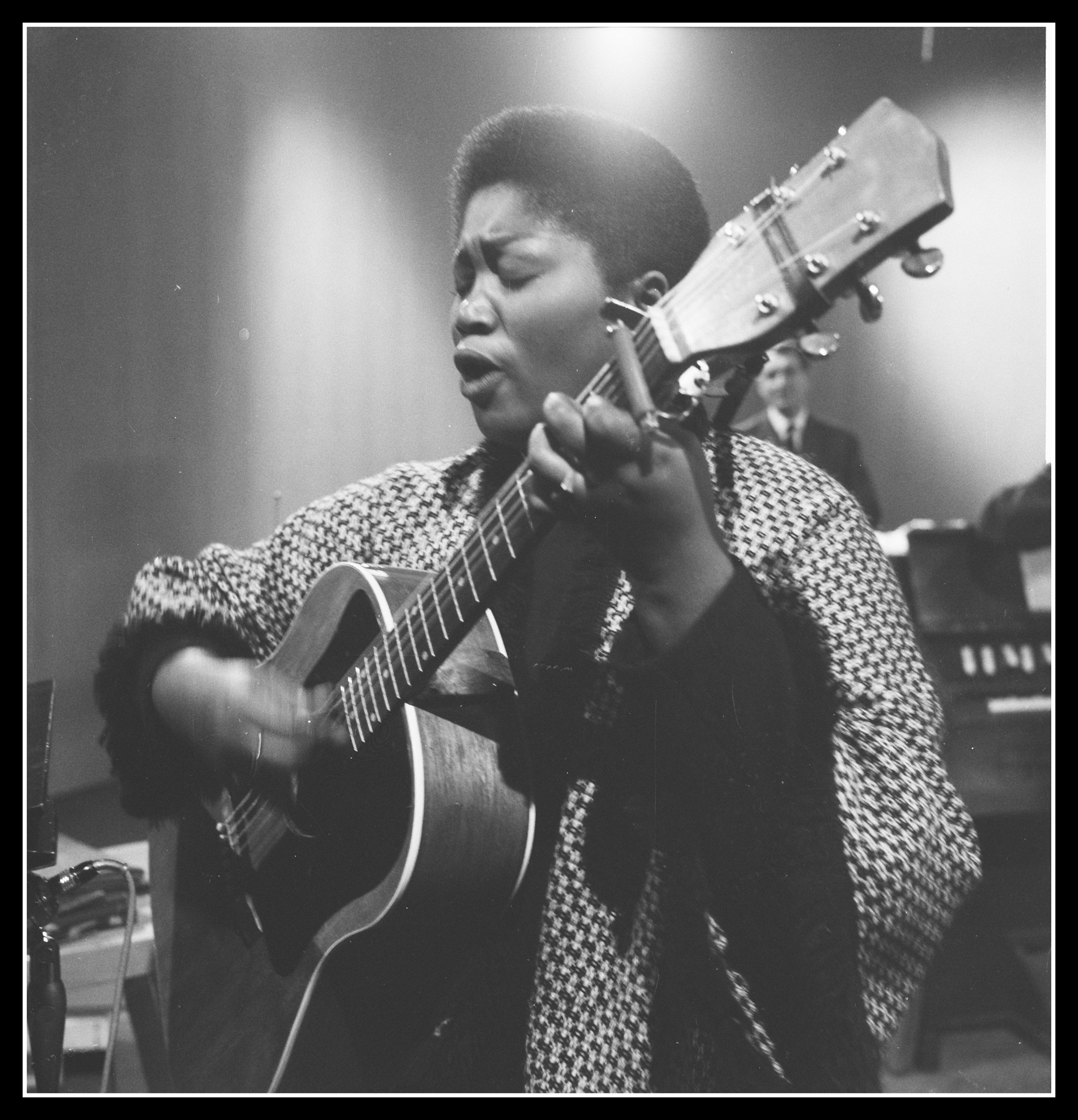
Odetta was one of the defining voices of American folk music. Though she had been trained in classical music, she was drawn to spirituals, work songs, traditional ballads, and blues. These songs told the stories of true life – of struggle and of those who overcame oppression. Odetta used her theater training and deep resonant voice to bring these messages to life. Her work inspired later artists like Bob Dylan and Joan Baez, served as a soundtrack for the social reforms of the 1960s, and led to her honorary title as “The Voice of the Civil Rights Movement” and “The Queen of Folk Music.
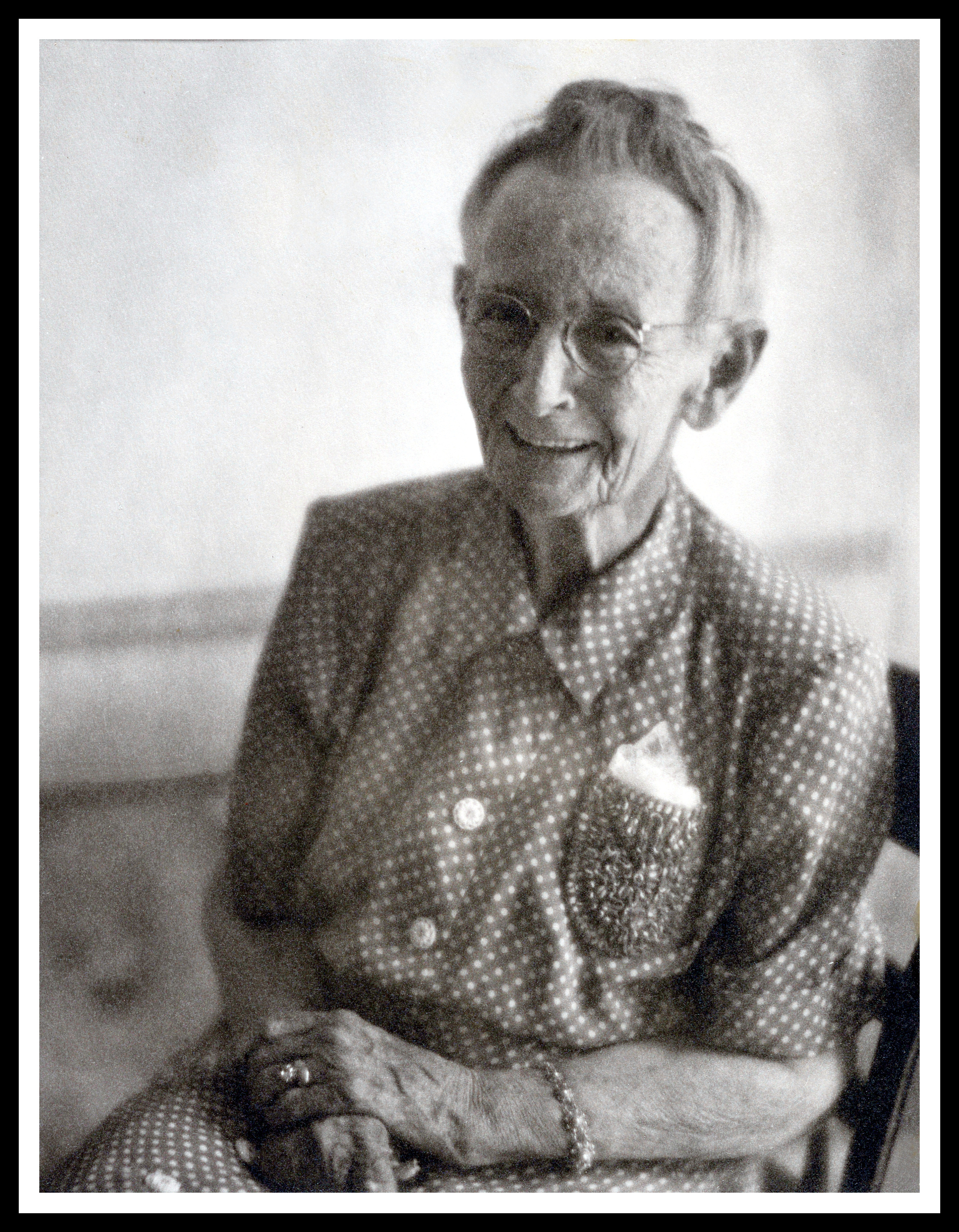
Anna Mary Moses spent the last twenty years of her life as a beloved and celebrated artist after a hobby became an occupation in the most astonishing way.
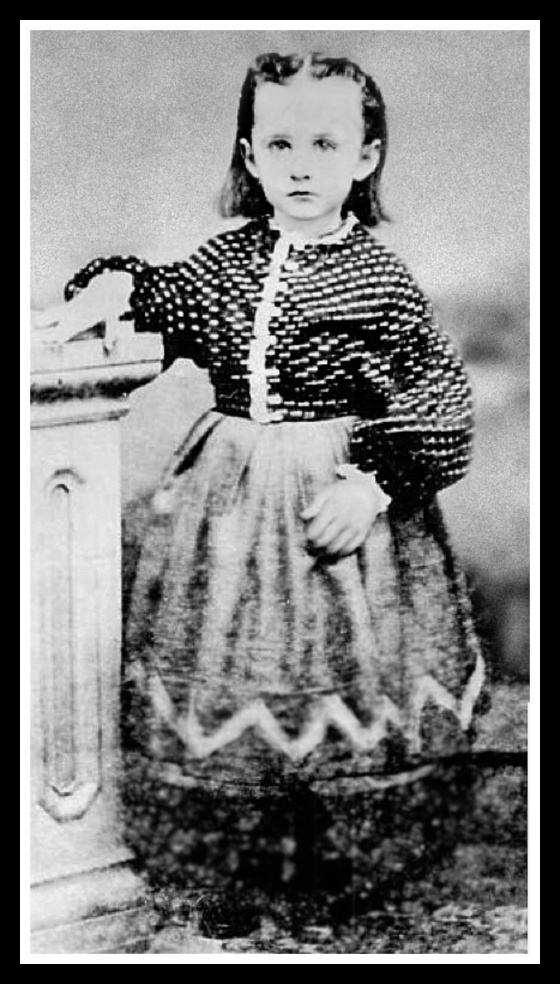
Anna Mary Moses was born when Abraham Lincoln was president and died when John Kennedy was; she lived through one Civil, and two World wars, and was one of the first women in the US to legally vote. Because her life was so full, she didn’t take up painting as her primary hobby until she was in her 70s, and was on a rocketship of world fame as a celebrated artist until she was in her 80s.