Deep Ocean Exploration Technology
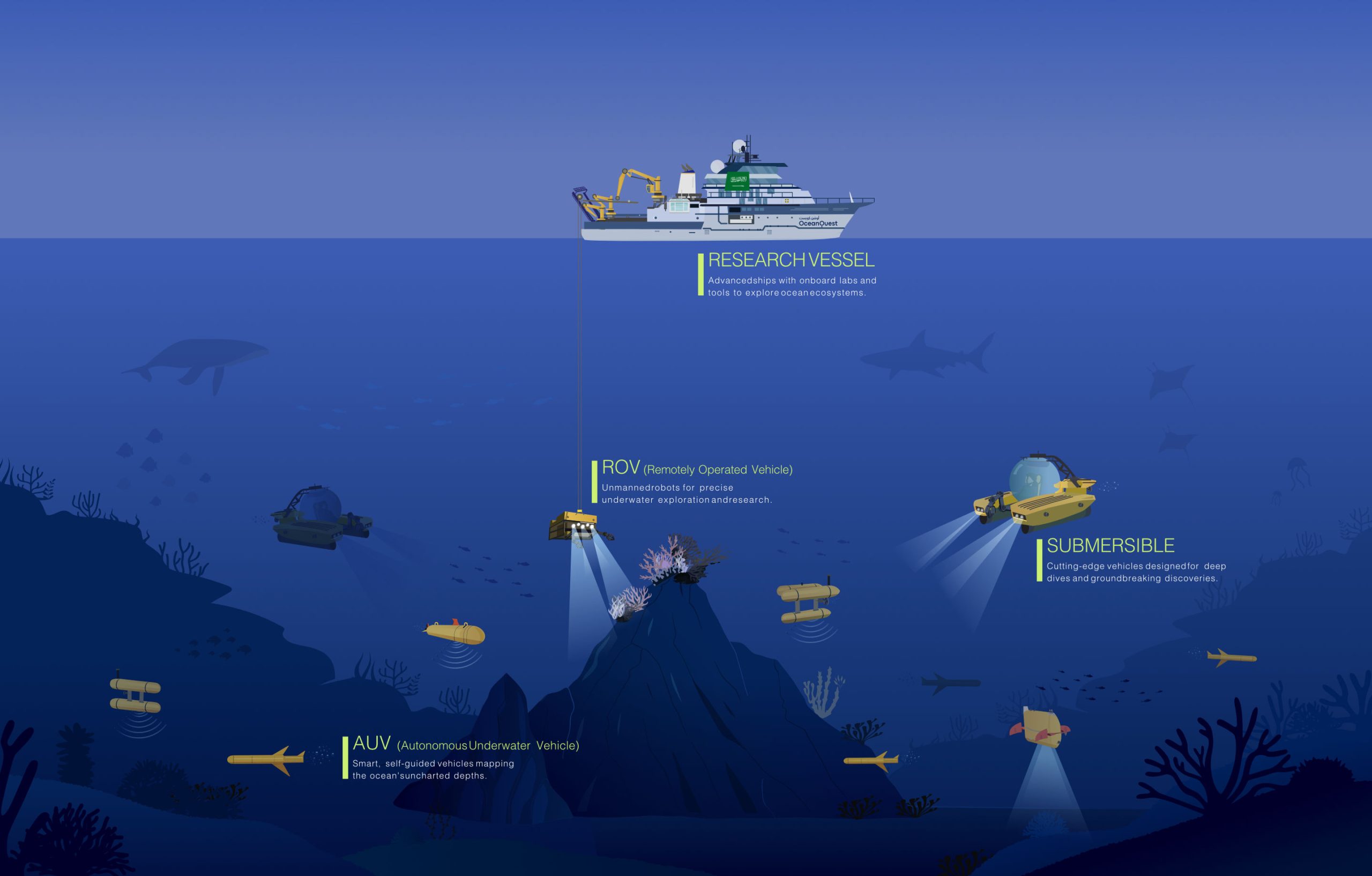
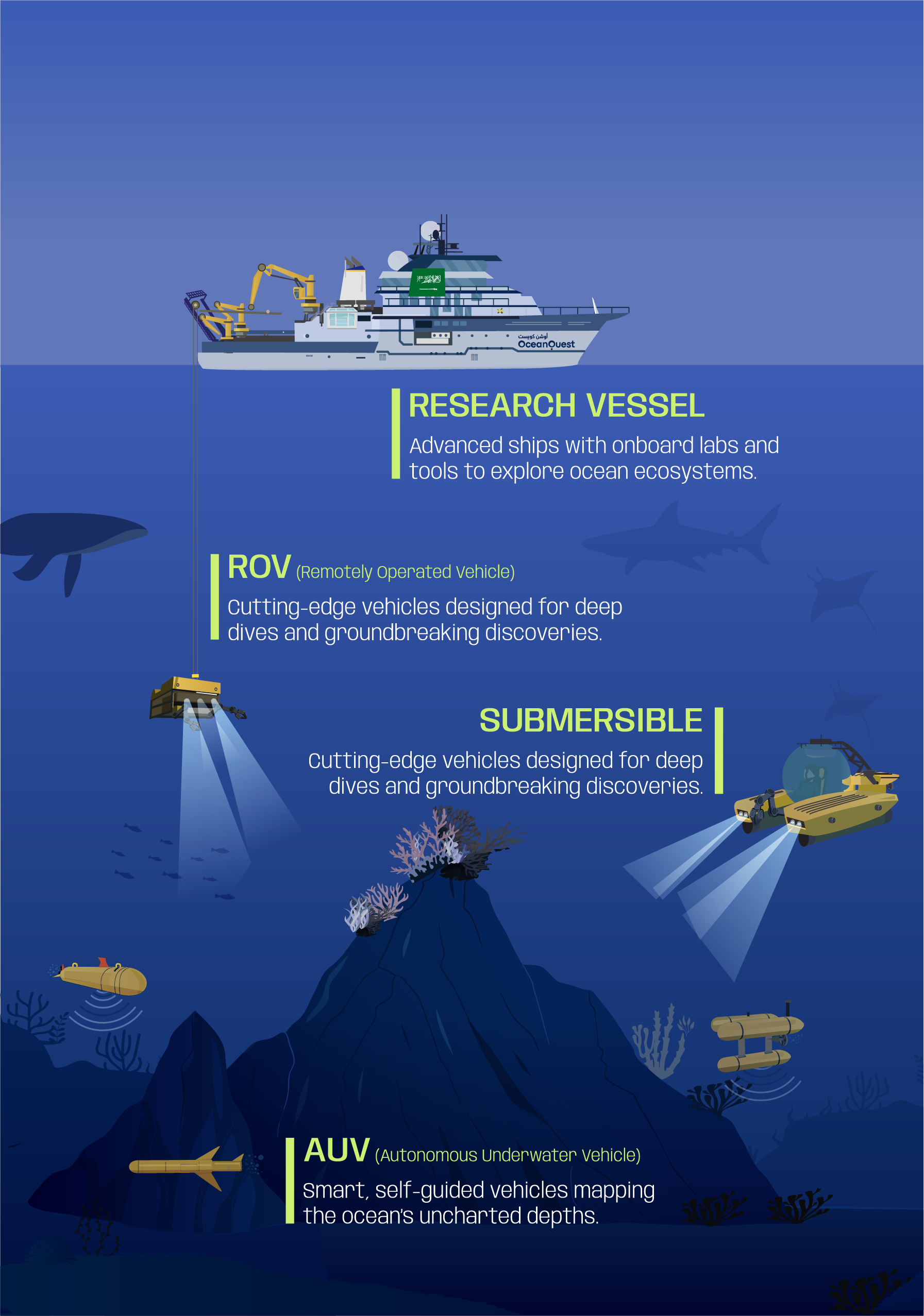
Cutting-edge technology helps overcome the deep ocean’s extreme conditions and uncover its secrets. Engineering and robotics are making groundbreaking discoveries possible:
: Easy-to-use web interface for managing labs and monitoring system resources. How to Upgrade PNETLab 4.x to Stable 5.3.11 Version
Version 5.3.11 was primarily a bug-fix and minor-feature release. The official changelog lists the following changes:
: This version is frequently cited as the "stable" target for users upgrading from older 4.x or early 5.x builds, specifically addressing various small bugs and improving overall system reliability.
Elias pulled up the terminal. He typed the command string he knew by heart: wget link-to-repo pnetlab_5.3.11_amd64.deb .
Maximizing the functionality of PNETLab 5.3.11 relies on keeping file properties tidy and optimizing resource distribution. 1. Enforcing Proper Permissions
This article dives deep into PNETLab 5.3.11, covering what’s new, how to install it, how to upgrade, and why this specific version is becoming the gold standard for network simulation.
Upgrading a running virtual machine from an older release to version 5.3.11 requires a precise sequence of shell commands to prevent data corruption. If your current build lacks active web dependencies, download the patch package via a machine with access before starting. Step 1: Transfer the Patch Archive
Pnetlab 5.3.11 solidifies the platform's place as a mature, user-friendly, and powerful network emulation tool. With its enhanced GUI, improved HTML5 console performance, and better docker support, it remains an indispensable tool for anyone in the networking field looking to gain hands-on experience in 2026.
Download the 5.3.11.zip package directly from the Official PNETLab Releases Registry. Utilize an SFTP client such as [WinSCP] or FileZilla to securely drop the zip archive directly into the /root/ directory of your target PNETLab virtual instance. Step 2: Clear and Unzip Packages
Highly efficient, lightweight L2/L3 structural images requiring minimal processing overhead.
A silence fell over the room. If this failed, they would be walking into the migration blind, relying on "hope" as a strategy—a strategy that got network engineers fired.

Known as “Her Deepness,” she has led over 100 expeditions and is a global advocate for ocean conservation.

An adventurer and businessman who has dived to the deepest points in all five oceans. Pnetlab 5.3.11

A globally renowned oceanographer based in Saudi Arabia, Dr. Duarte leads groundbreaking research on ocean sustainability and marine ecosystems. His work is critical for understanding the impact of climate change on marine life : Easy-to-use web interface for managing labs and
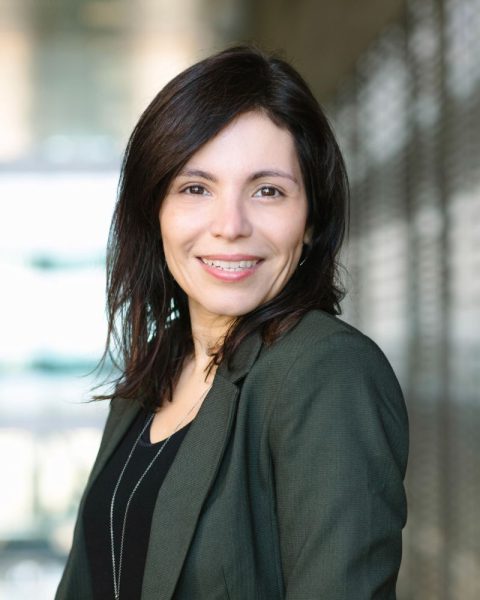
A microbiologist focused on coral reef conservation, Dr. Peixoto explores how microbial communities can help protect marine ecosystems under threat from climate change. Elias pulled up the terminal