Tamil Mallu Aunty Hot Seducing With Young Boy In Saree Better -
Our mission is to improve the design process for architects and engineers. By improving the comfort of work, using a fast and intuitive interaction with the software.
GET NOW
Our mission is to improve the design process for architects and engineers. By improving the comfort of work, using a fast and intuitive interaction with the software.
GET NOW
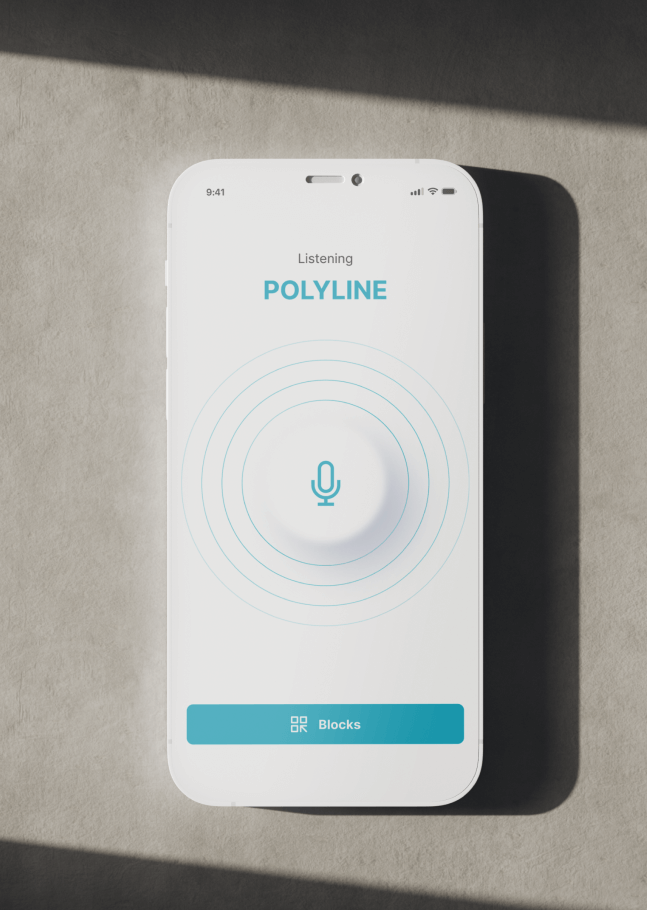
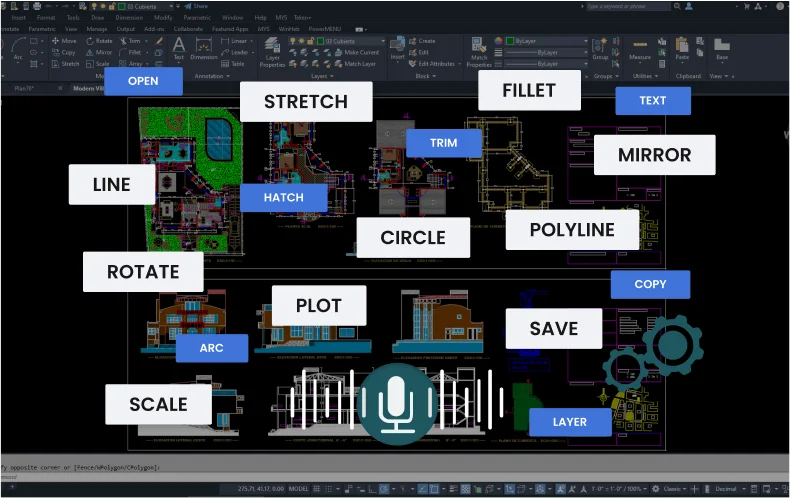
a mobile application that can execute the user's voice commands in AutoCAD



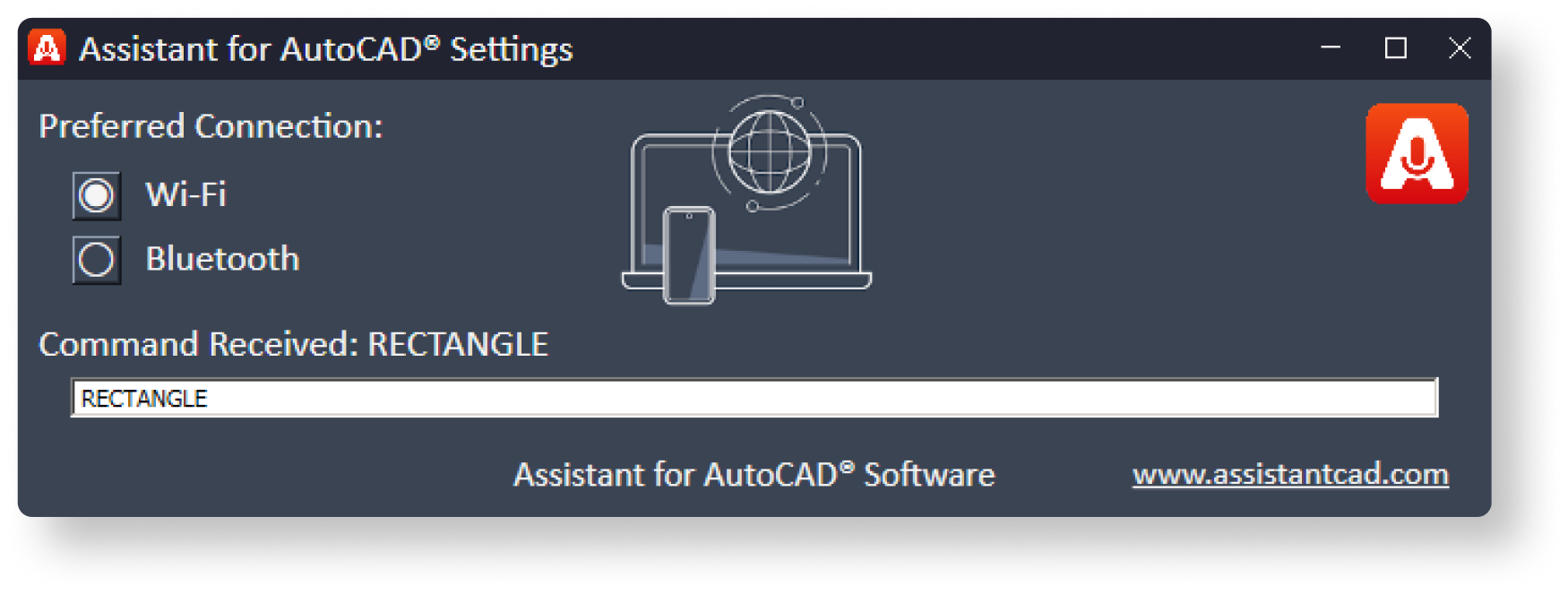
Works via Wi-Fi

runs in the background

Works via Bluetooth

Supports operation
via a headset (audio)

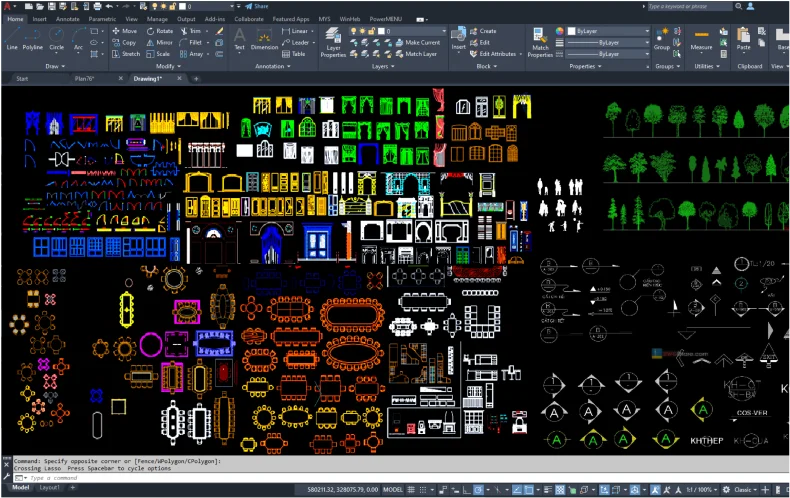
 500+
500+
Basic commands
that are used most often.
 120+
120+
Express
tool commands.
 100+
100+
Commands
for 3d modeling.
 800+
800+
Rarely used
AutoCAD commands
The first tool to manually improve the commands, for this he needs to record the command in his voice.
In this way, the engine will know and take into account the individual peculiarities of the pronunciation of the given command.
1

If the recognition engine algorithm is not confident in determining the correct command, it will offer to choose from the appropriate options.
The application then saves the user's choice, and will take that result into account at a later time. In this way, the engine is fine-tuned to the individual peculiarities of pronunciation.
2 1290+
1290+
Static Blocks
 210+
210+
Dynamic Blocks
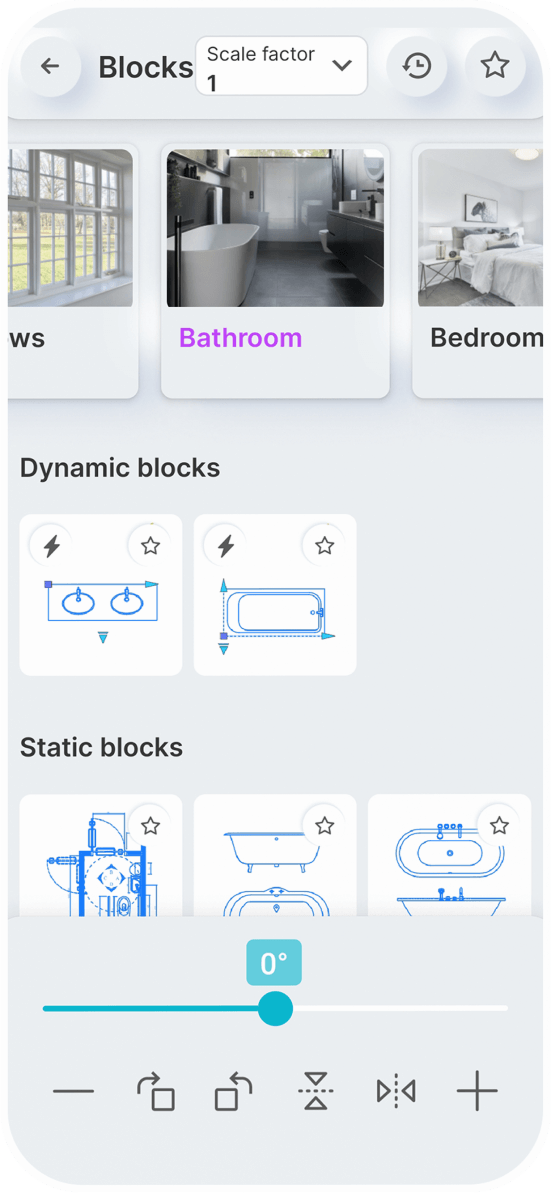
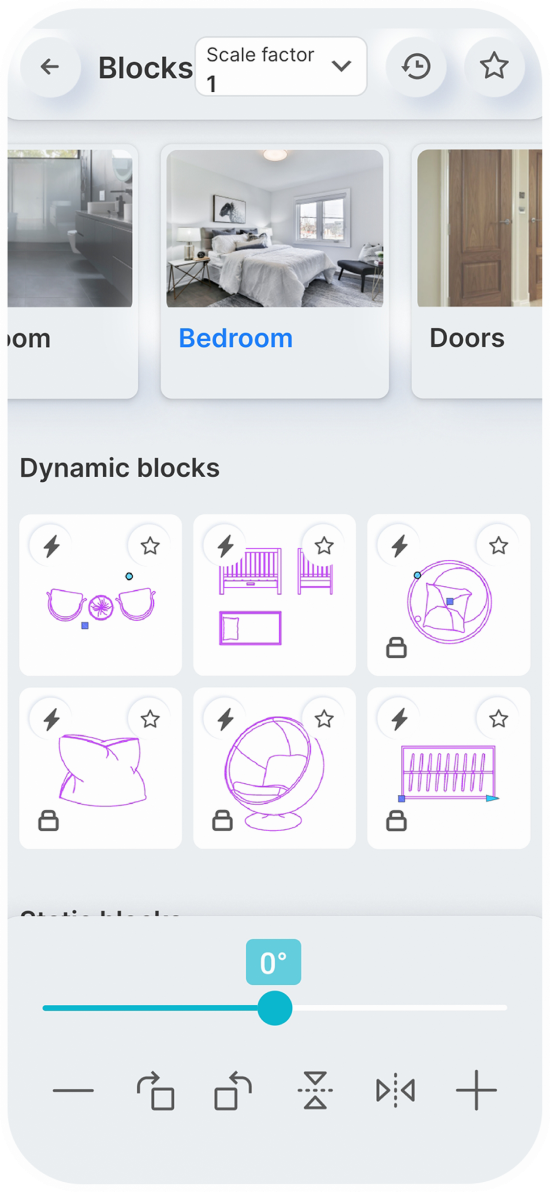
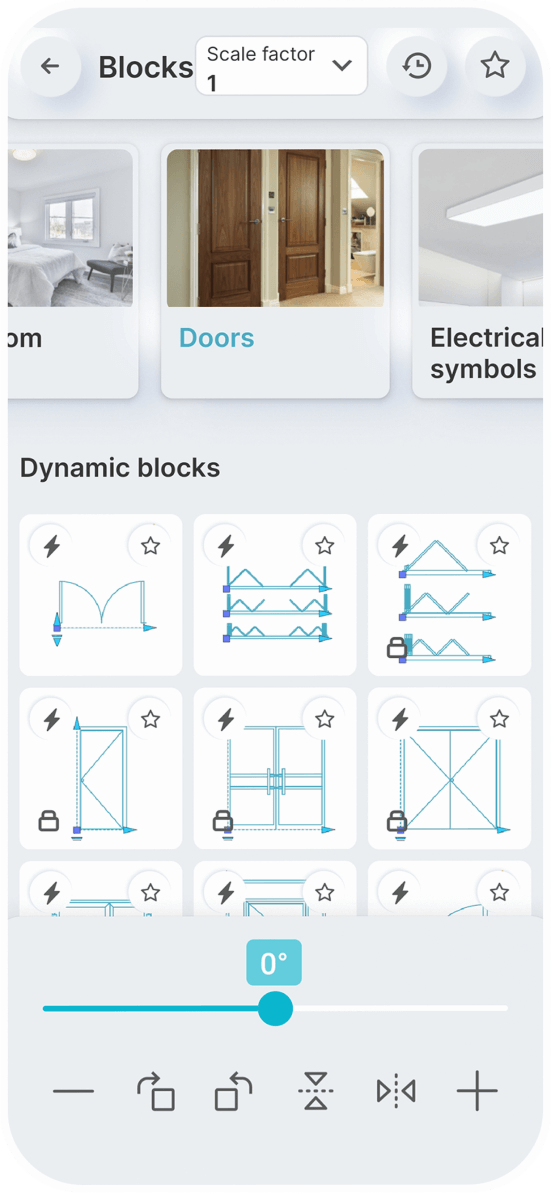
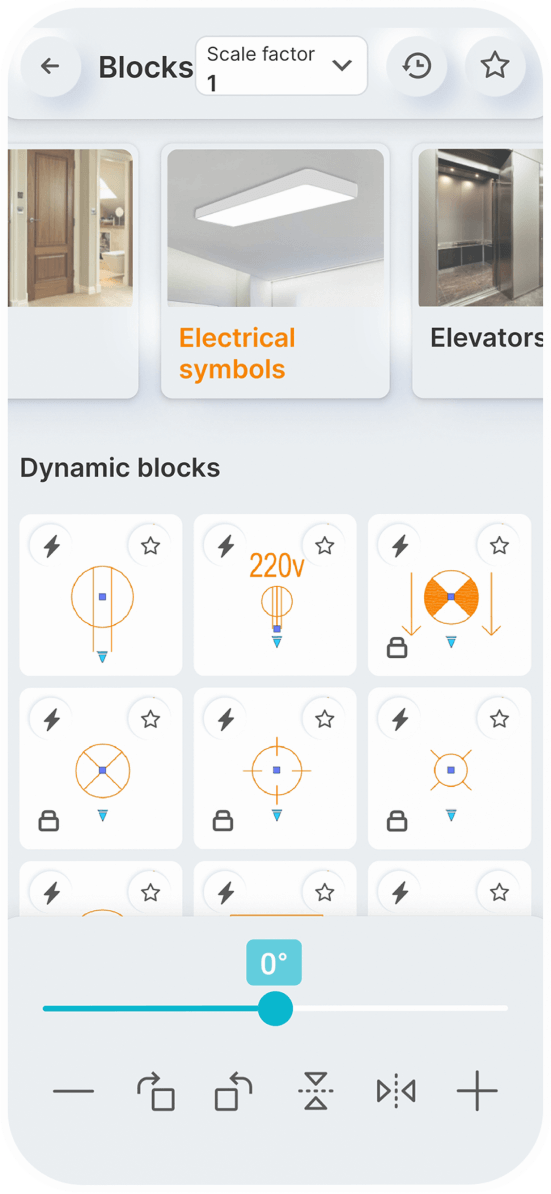
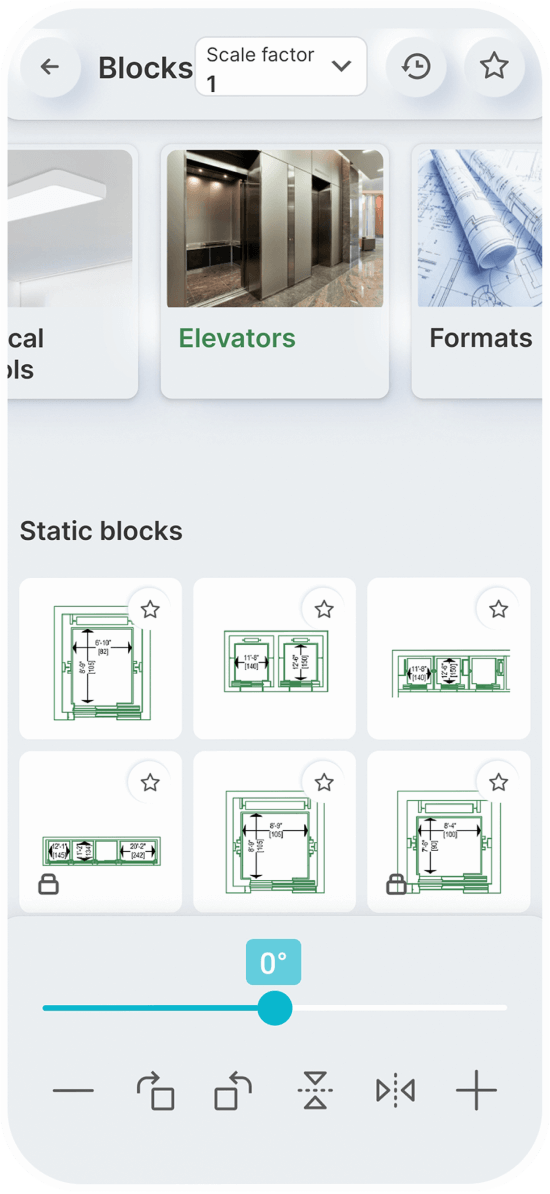
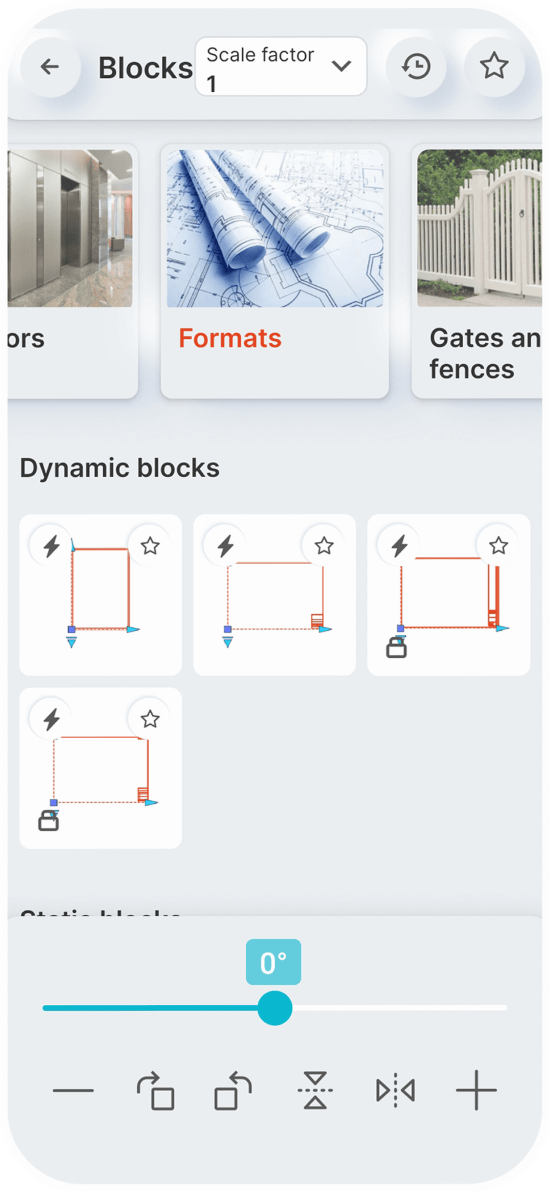
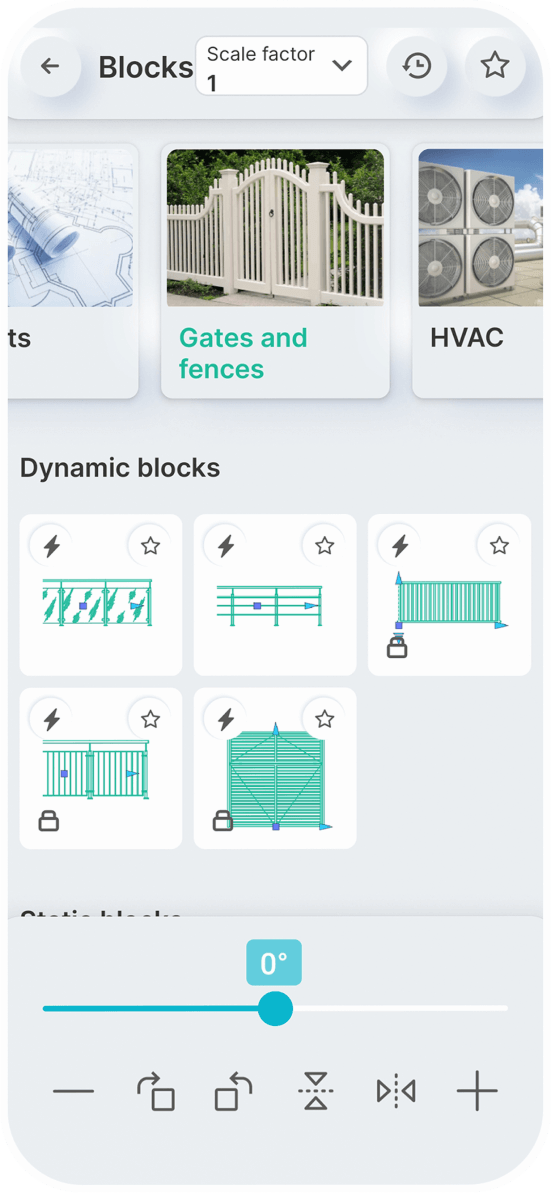
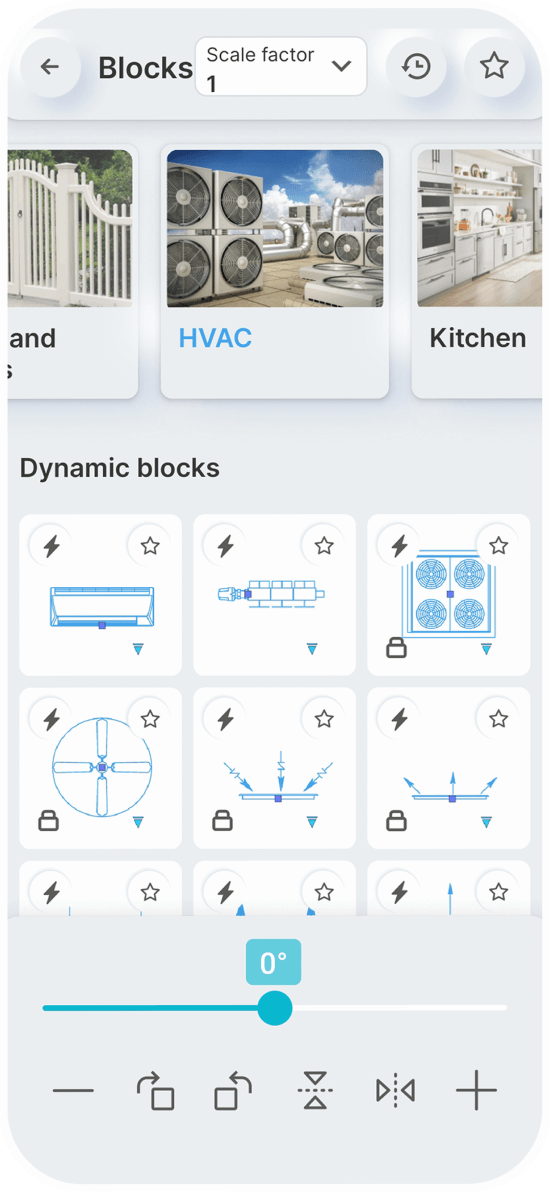
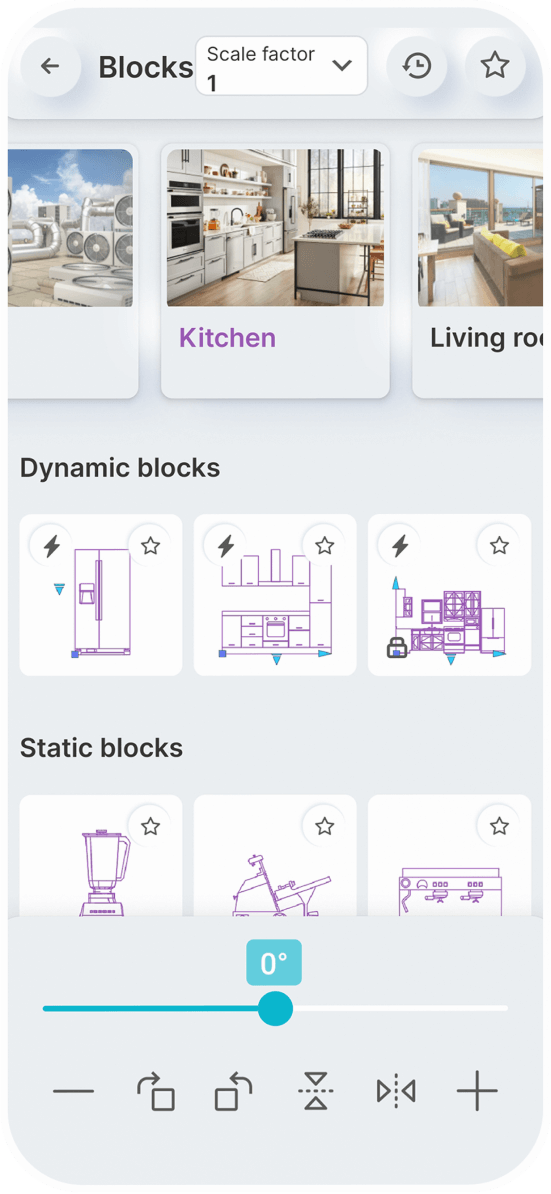

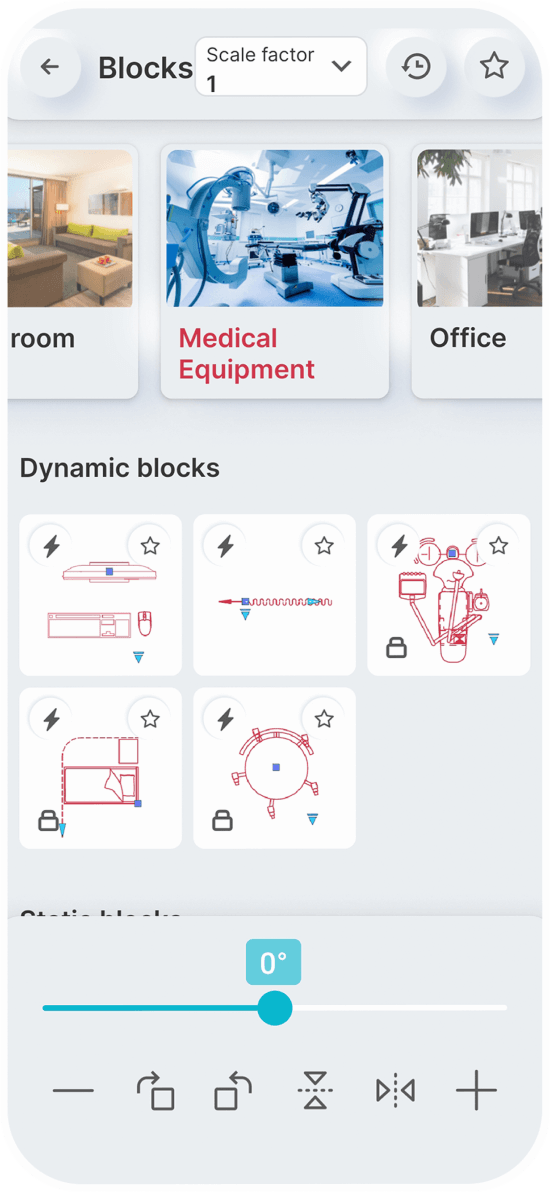
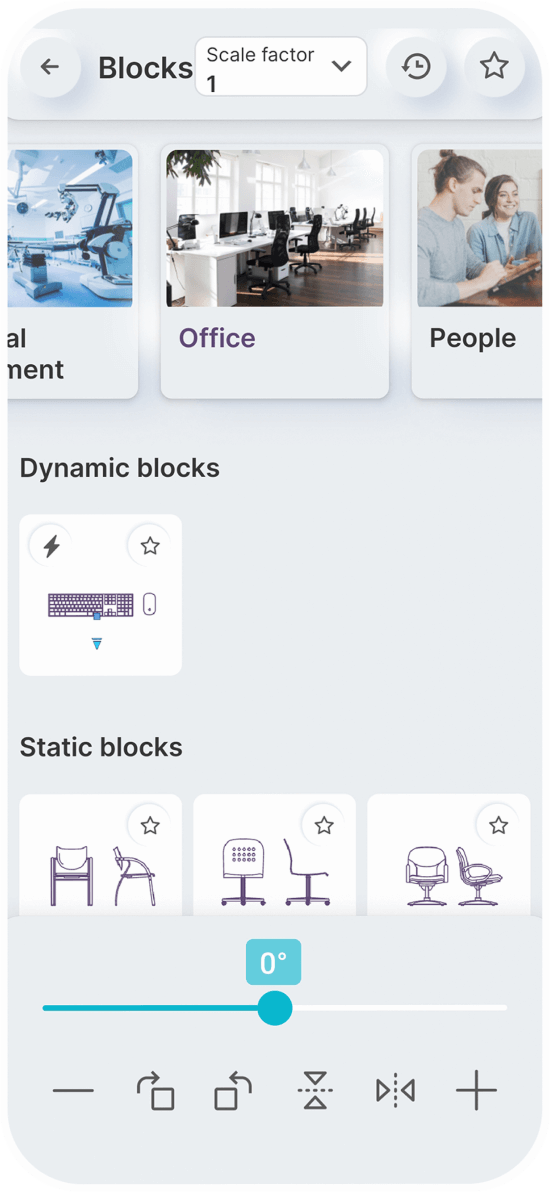


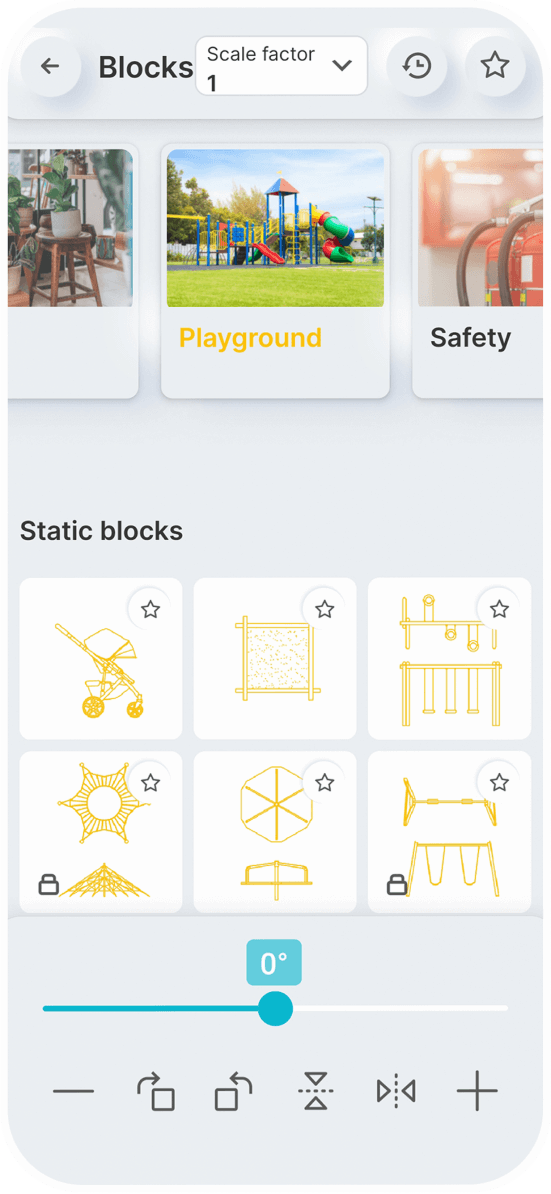
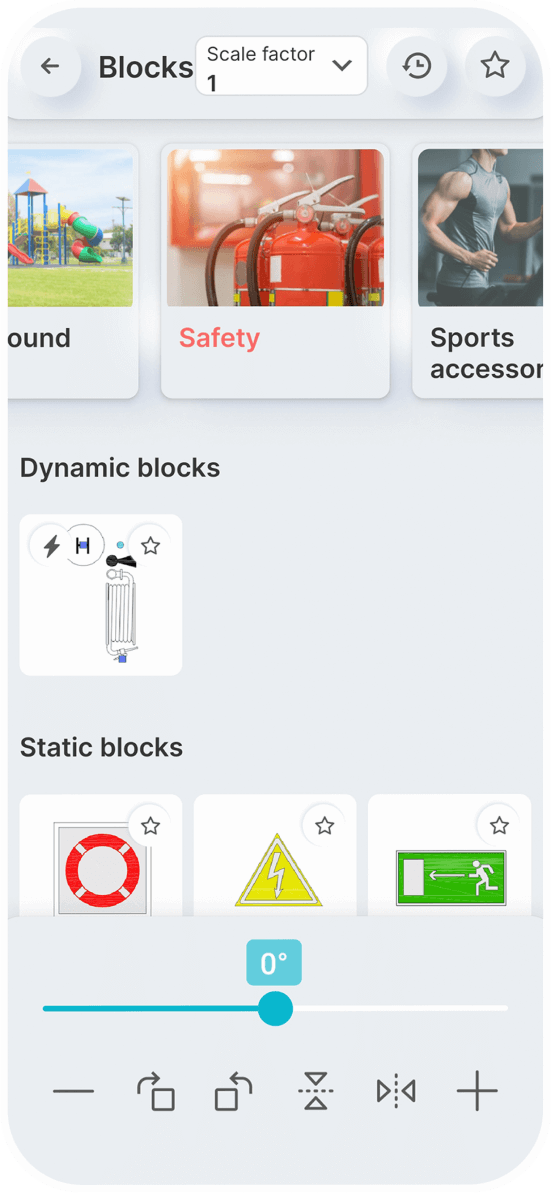
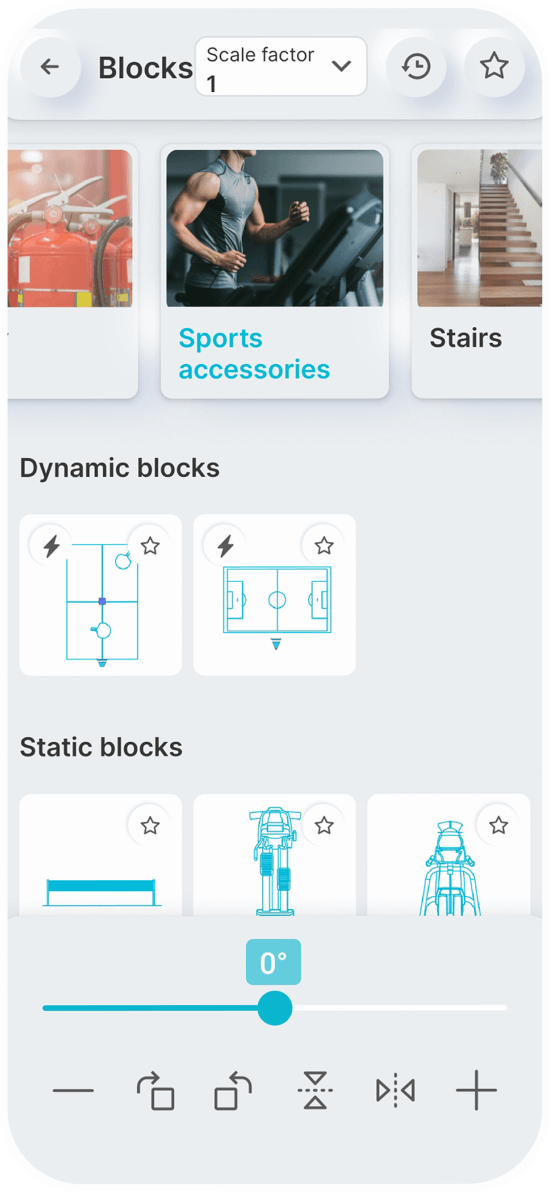
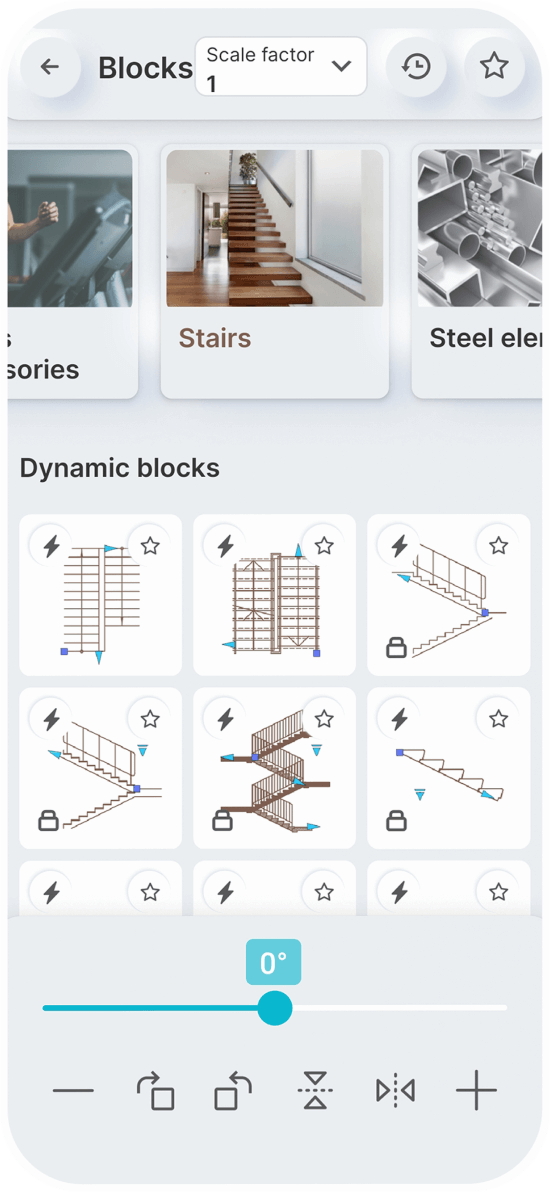
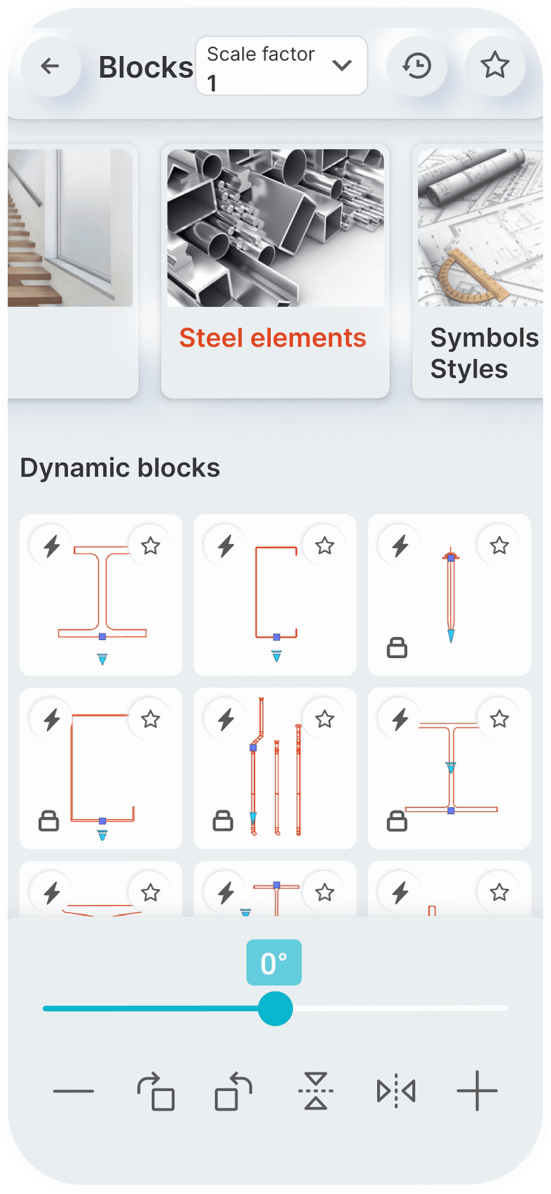
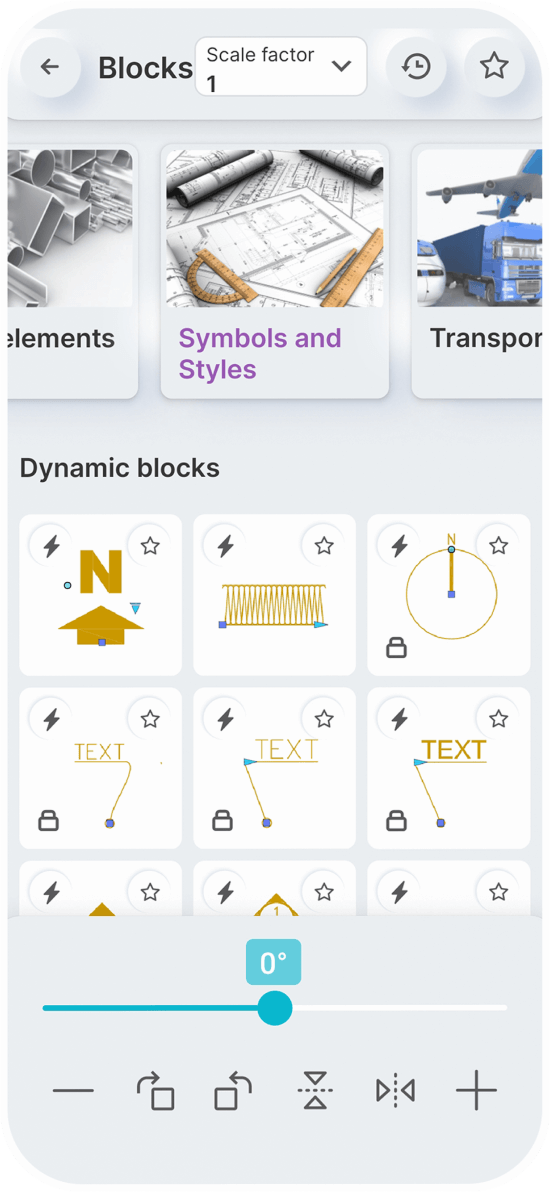
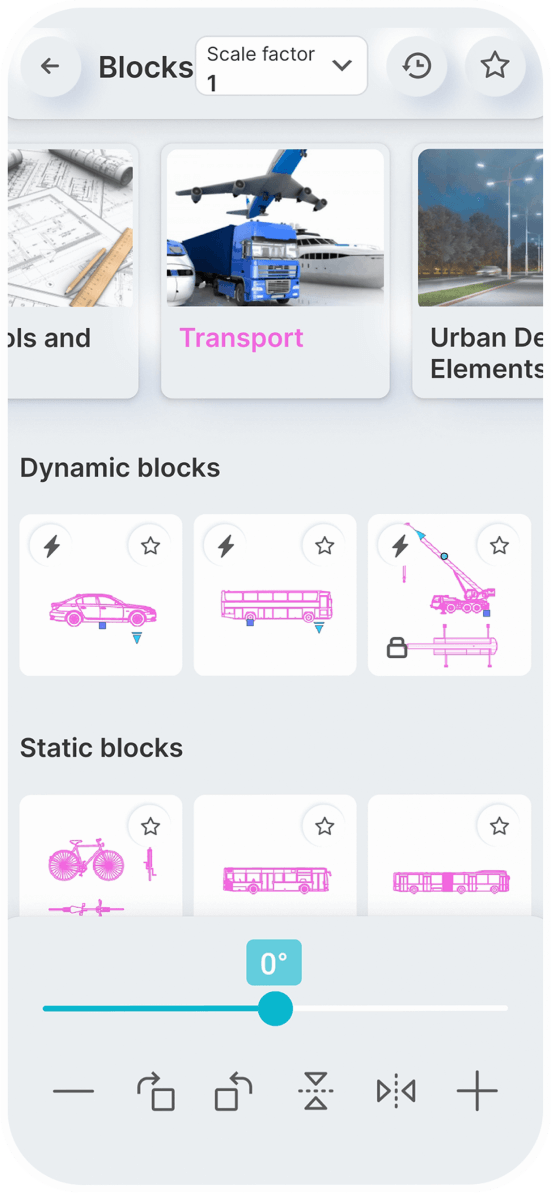
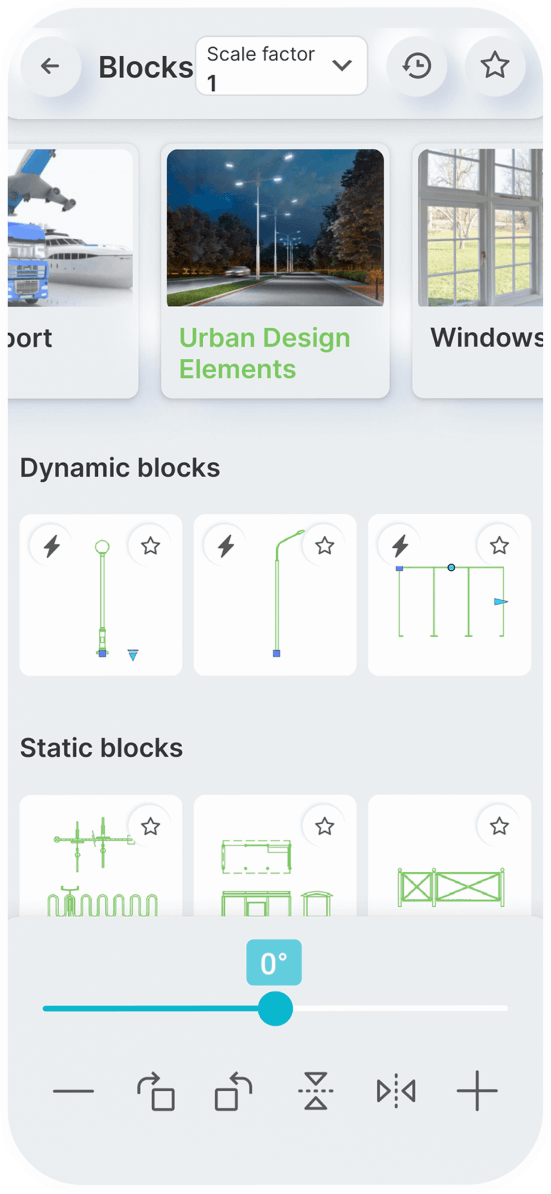
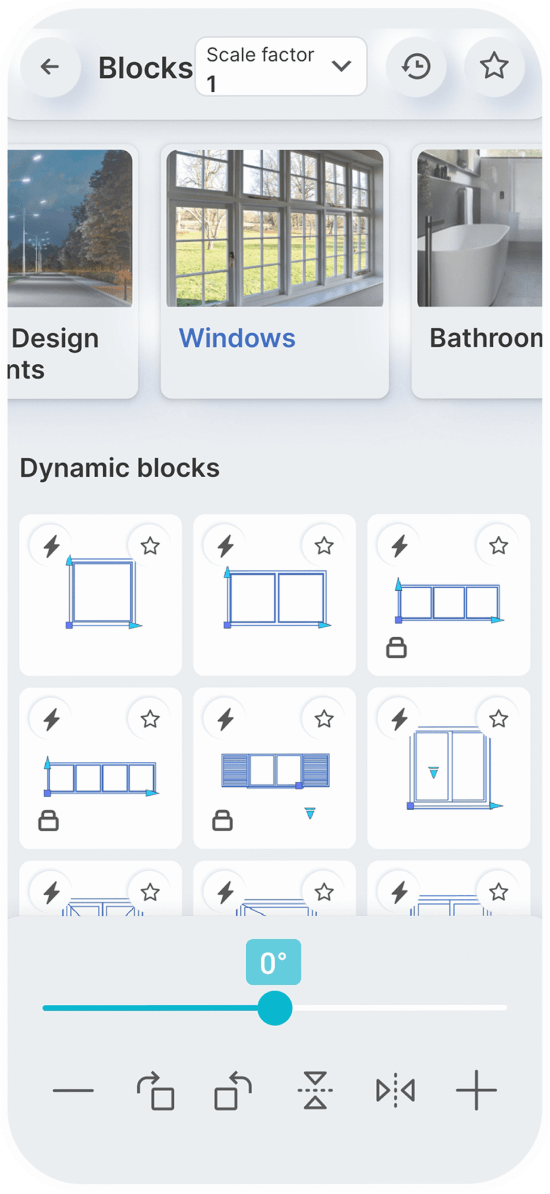
Simply speak a command to
resize or scale items.
Rapidly rotate objects or elements within the application by precisely 90 degrees.
By issuing a voice command, you can activate the mirroring effect.
You can effortlessly rotate blocks or objects within the application.

You can set a constant scale factor for your drawings to enter blocks.
Save the blocks you want most in your favorites.
Use the history page to quickly insert the last used blocks.
Standardized American
paper sizes A, B, C, D, E
Two special vertical
formats for A3 and A4
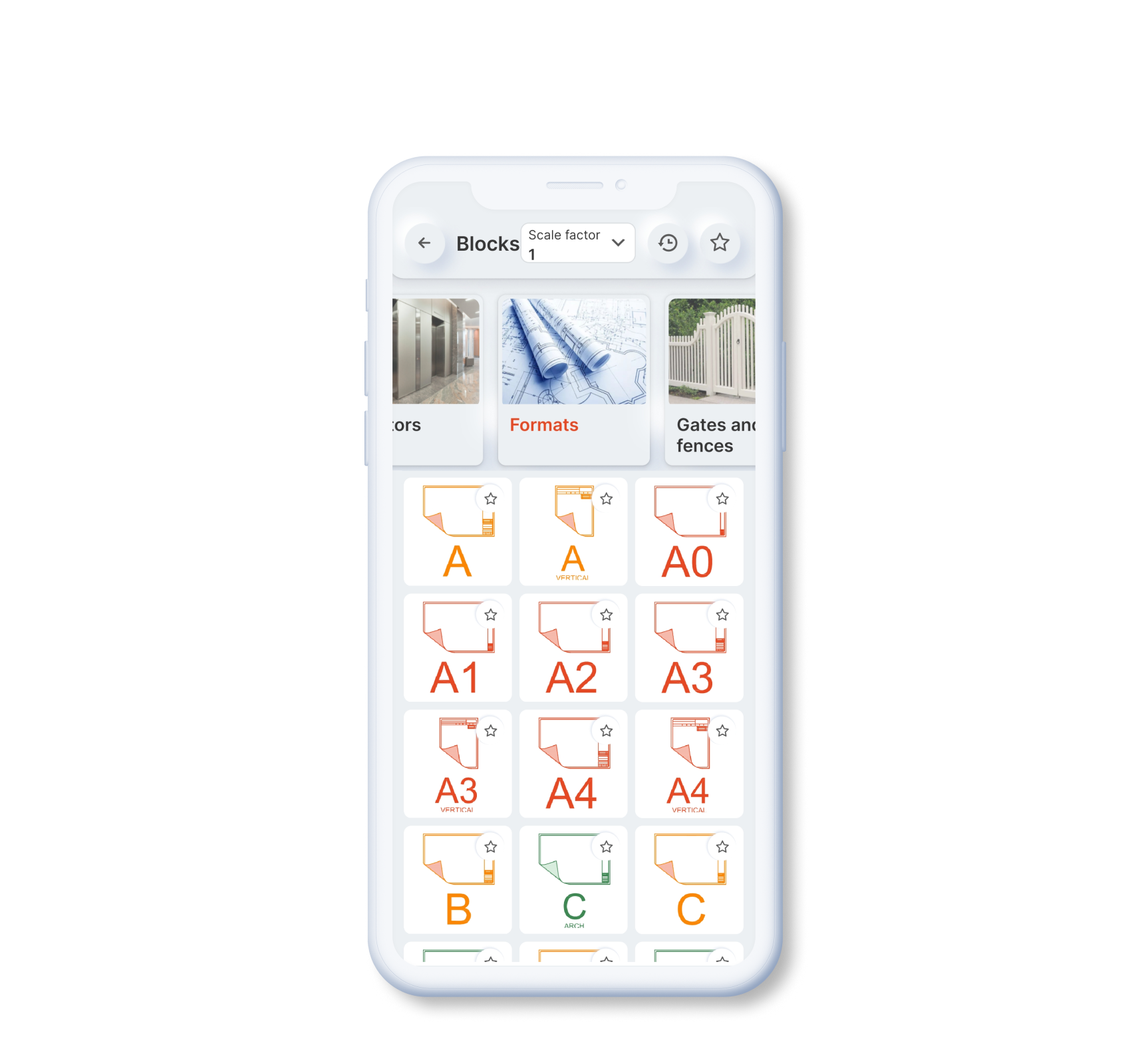
The international paper size standard is ISO 216 A4, A3, A2, A1, A0
Architectural sizes C, D, E
: Unlike many contemporary film industries that favor escapist fantasy, Malayalam films have traditionally maintained a focus on "rootedness," capturing the minute details of everyday life in Kerala. Reflections of a Changing Society
Kerala is a statistical anomaly in India. With nearly 100% literacy, a robust public healthcare system, and a history of Communist-led governments, its citizens are arguably the most politically aware and socially demanding audience in the country. The average Malayali moviegoer is not satisfied with flying cars or gravity-defying stunts. They want substance.
In the 2010s, Malayalam cinema underwent a structural and thematic revolution, often referred to as the "New Generation" wave. Filmmakers like Lijo Jose Pellissery, Dileesh Pothan, Mahesh Narayanan, and Syam Pushkaran rejected conventional song-and-dance formulas in favor of hyper-realism and micro-narratives. : Unlike many contemporary film industries that favor
Despite operating on a fraction of the budget of Bollywood or Tamil cinema, Mollywood pushed technical boundaries. Sound design, realistic lighting, and guerrilla filmmaking tactics became hallmarks of the industry.
The "New Wave" ditched traditional superstar formulas. It focused on hyper-local, slice-of-life storytelling, minimalist budgets, and technical perfection. Movies like Traffic , Maheshinte Prathikaaram , and Kumbalangi Nights prioritized script integrity over star power. Global Recognition via Streaming The average Malayali moviegoer is not satisfied with
In the digital era, Malayalam cinema underwent a structural and aesthetic renaissance. Filmmakers like Dileesh Pothan, Lijo Jose Pellissery, Mahesh Narayanan, and Jeethu Joseph redefined cinematic grammar.
To witness the power of Malayalam cinema on culture, look no further than The Great Indian Kitchen (2021). The film has no dance numbers, no fight scenes. It is a quiet chronicle of a young bride waking at 4 AM to grind idli batter, clean a brass sink stained with turmeric, and serve men who leave the table without a thank you. Filmmakers like Lijo Jose Pellissery, Dileesh Pothan, Mahesh
The origins of Malayalam cinema date back to the silent era with Vigathakumaran (The Lost Child) in 1928, produced and directed by J.C. Daniel. From its very inception, the industry was linked to social reality. The film featured a lower-caste actress, P.K. Rosy, which sparked severe backlash from the conservative society of the time, highlighting the deep-seated caste fractures that the medium would continue to critique for decades.
Characters in Malayalam films are frequently politically active. Satires like Sandhesam (1991) brilliantly critiqued blind political allegiance, while films like Left Right Left (2013) dissected contemporary political ideologies.